
Bio-indicator plants
Spontaneous flora does not arrive by chance: each species germinates when the soil offers the conditions it needs. Reading it tells you, without an analysis and before any input, whether air is lacking, organic matter is in excess, water is standing or calcium and magnesium have been washed out, leaving an acid soil. It is a free diagnosis, available all year, which does not replace an analysis but says where to look.
Field reading, not a recipe: no plant on this page is offered as a treatment.
A seed waits in the soil, sometimes for decades, and germinates when the conditions that suit it come together: pH, air, water, available bases, the state of the organic matter. The plant that grows does not create the problem, it reveals it — and often corrects it: roots piercing the plough pan, bases pumped up from depth, excess nitrates taken up. Hence the name messenger plants.
Never from a single plant: what counts is the assemblage — the species dominating together over a uniform area — and how abundant they are. Walk the field zone by zone (low ground, high ground, tracks, edges), note the three or four commonest species in each, and compare with the soil seen in a spade pit. Two seasons of observation beat a single survey: the flora shifts with seasons and with operations.
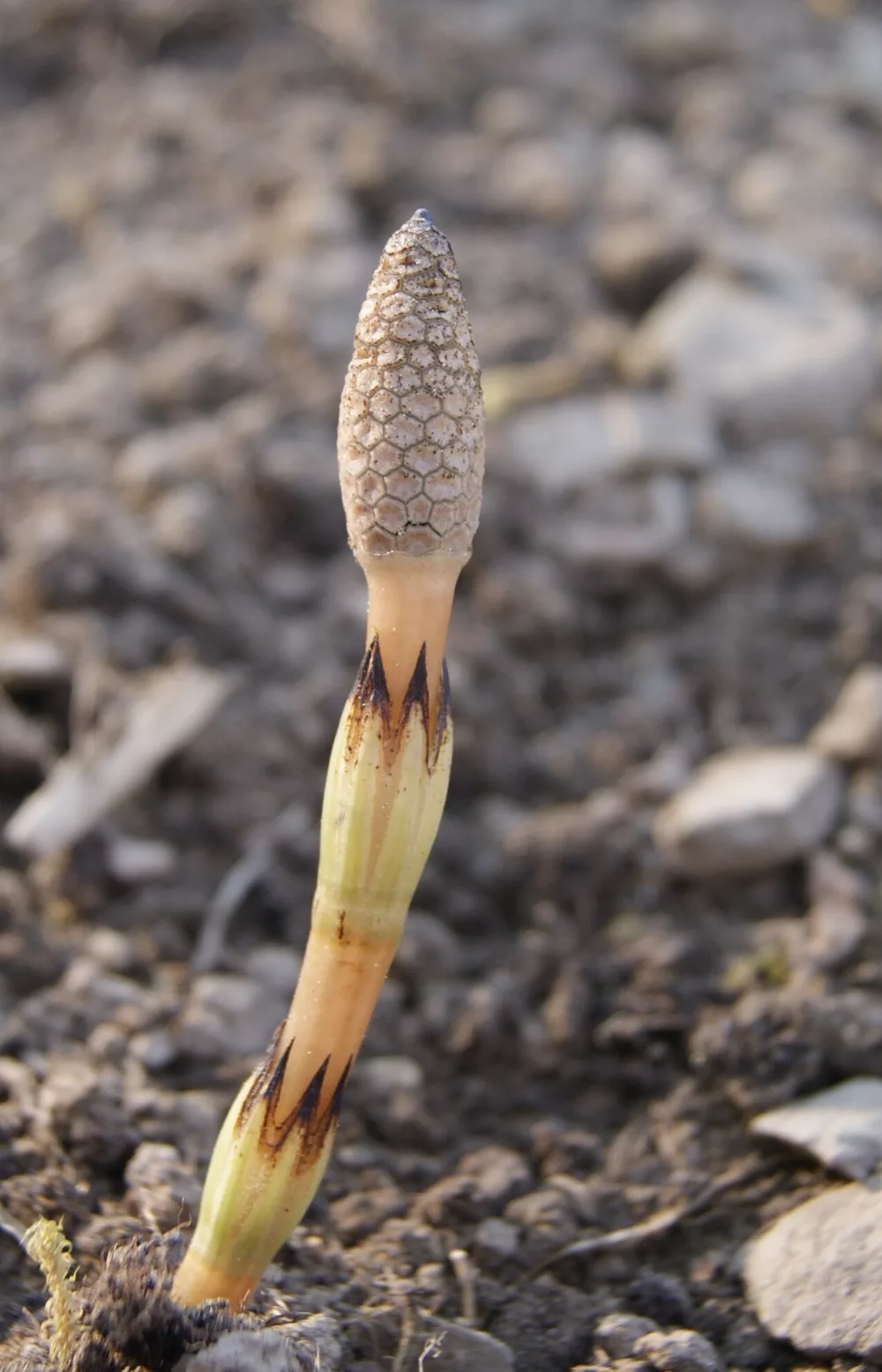
Marks a soil that waterlogs and suffocates: standing water at depth, a plough pan, surface capping. Where it dominates, what is missing in the profile is air, before anything else.
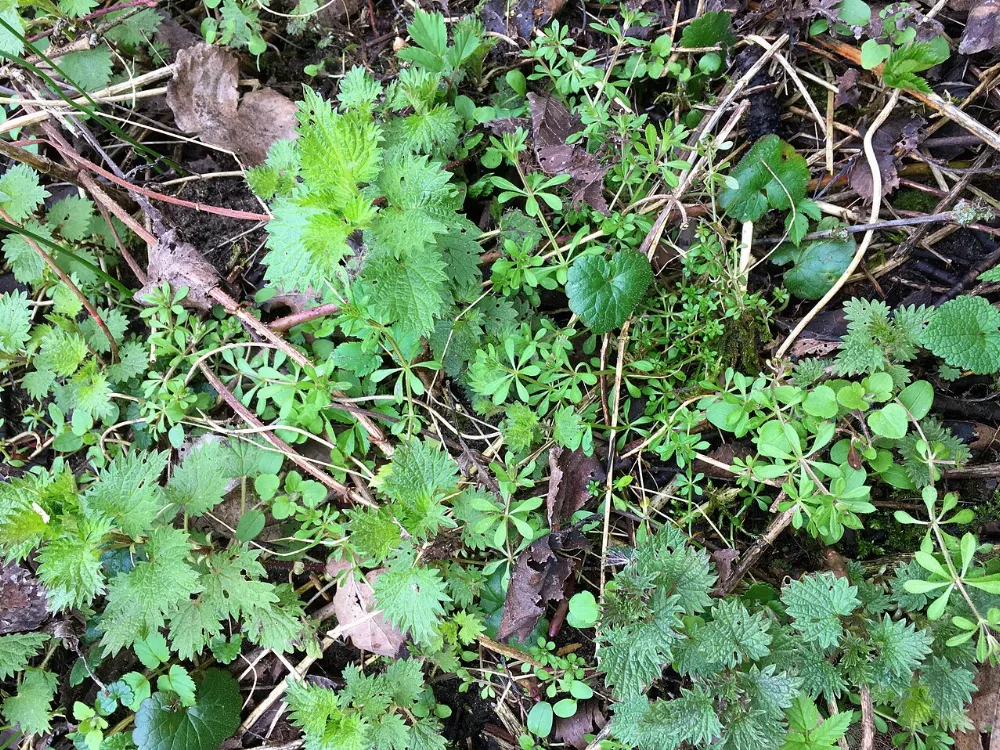
Points to plentiful decomposing organic matter and available nitrates and phosphates: barn surrounds, manure heaps, heavily fertilised soils. It signals richness, not poverty.
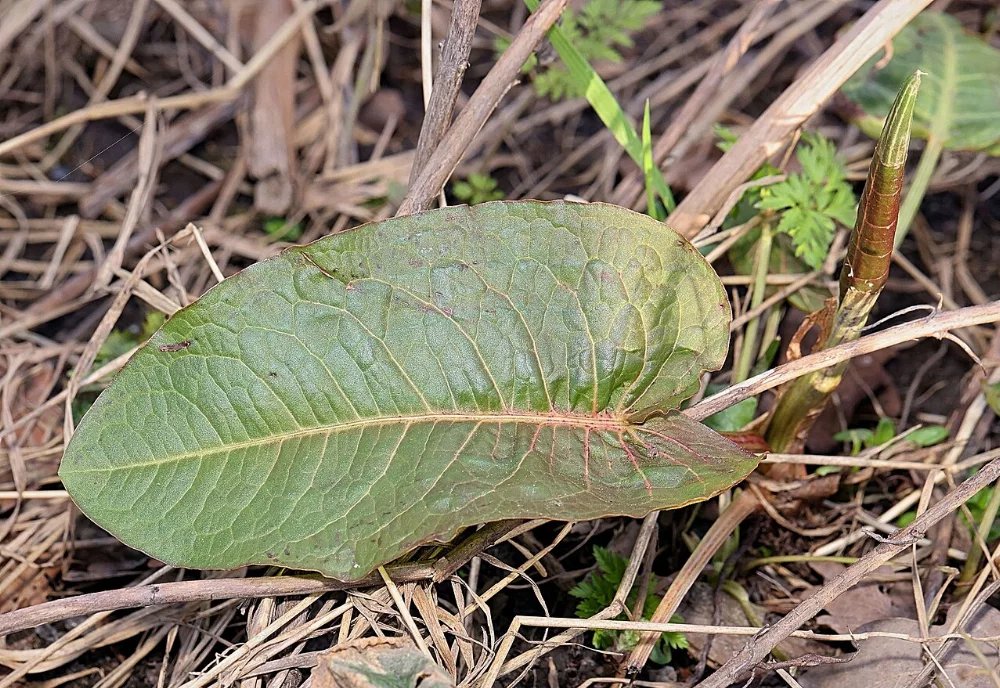
Goes with excess animal organic matter on compacted, moist soil: overgrazed pasture, gateways and tracks, fields given more slurry than they can digest.
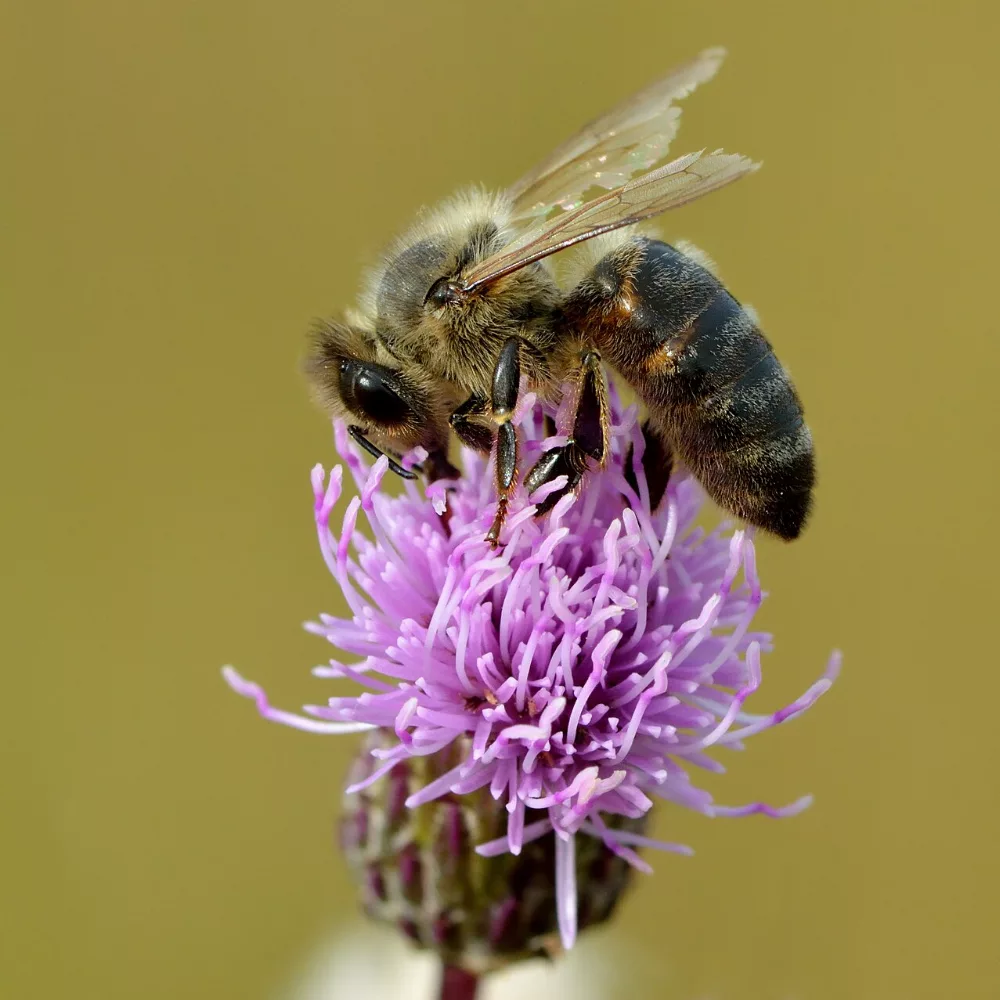
Its deep roots pierce compacted layers: it shows up where structure is blocked at depth and organic matter breaks down poorly. Pulling it without loosening the soil changes nothing.
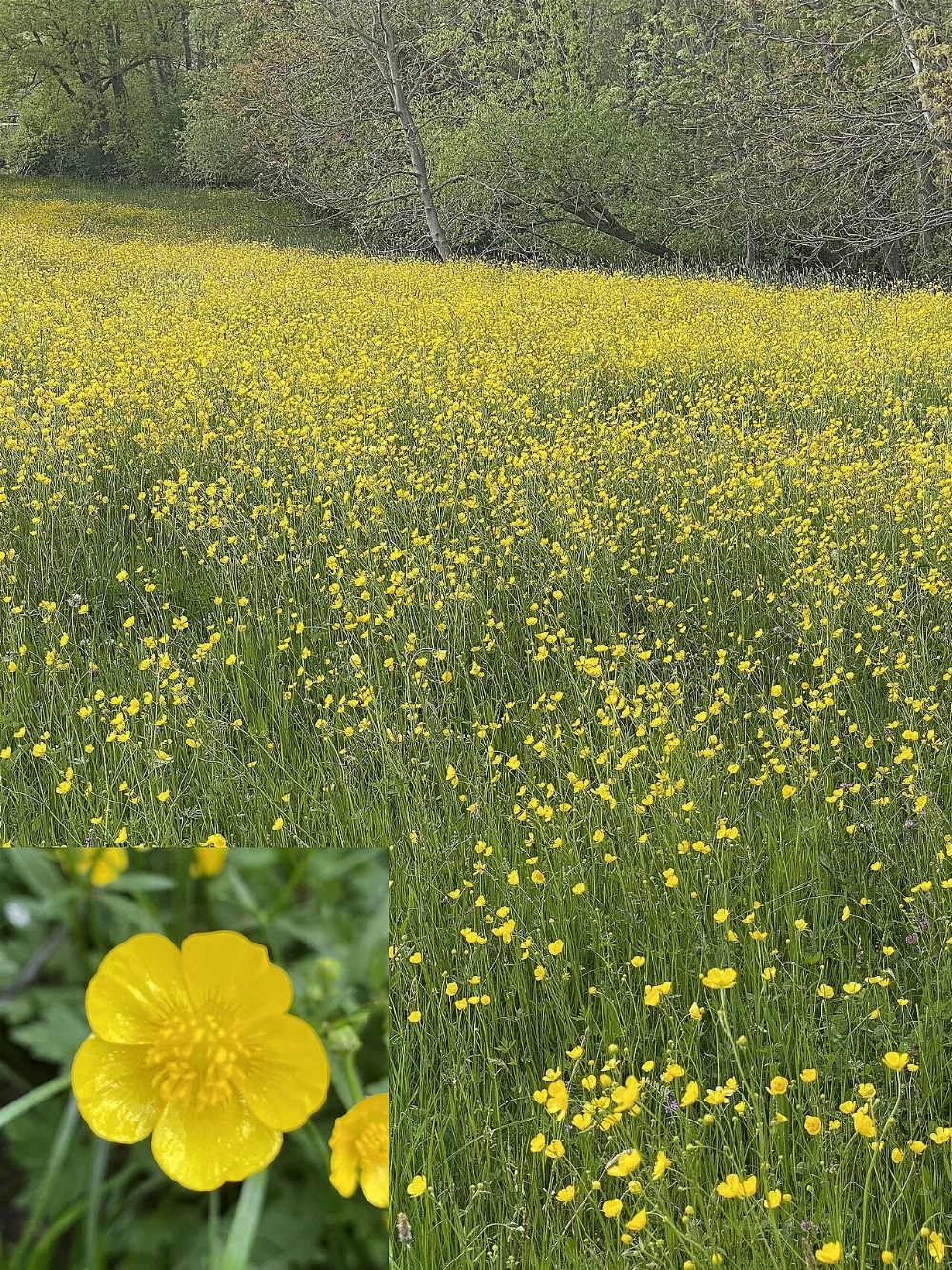
Carpets moist soils compacted at the surface, where water lingers in the top few centimetres after every rain.
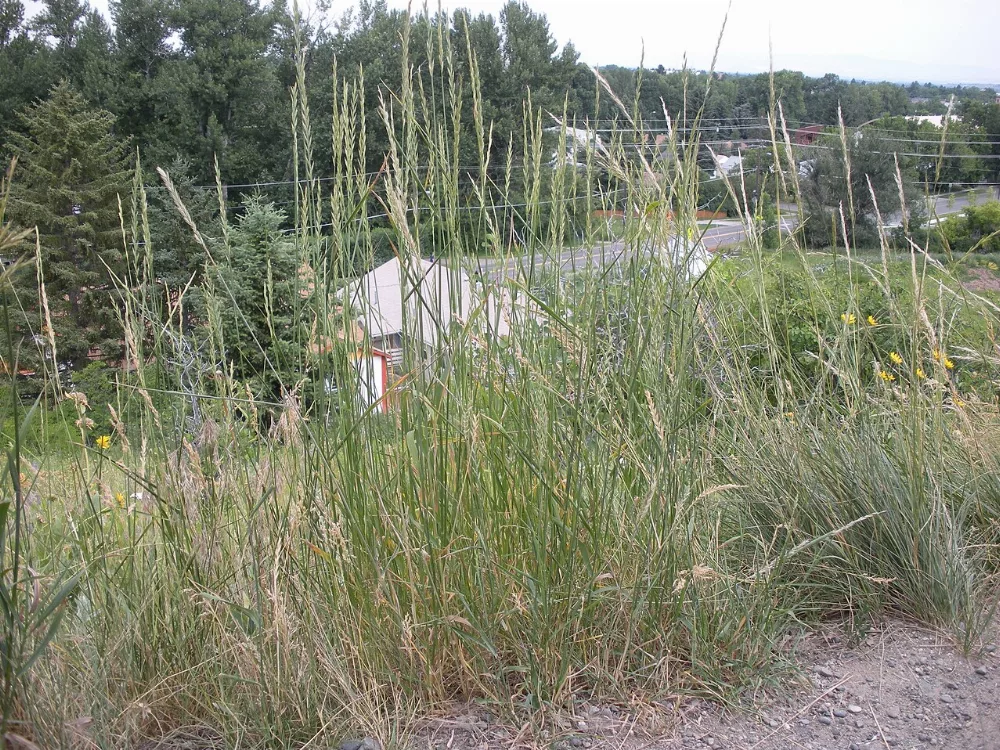
Takes over soils worked too often, where rhizomes are chopped up and regrow, and residues are buried without managing to break down.
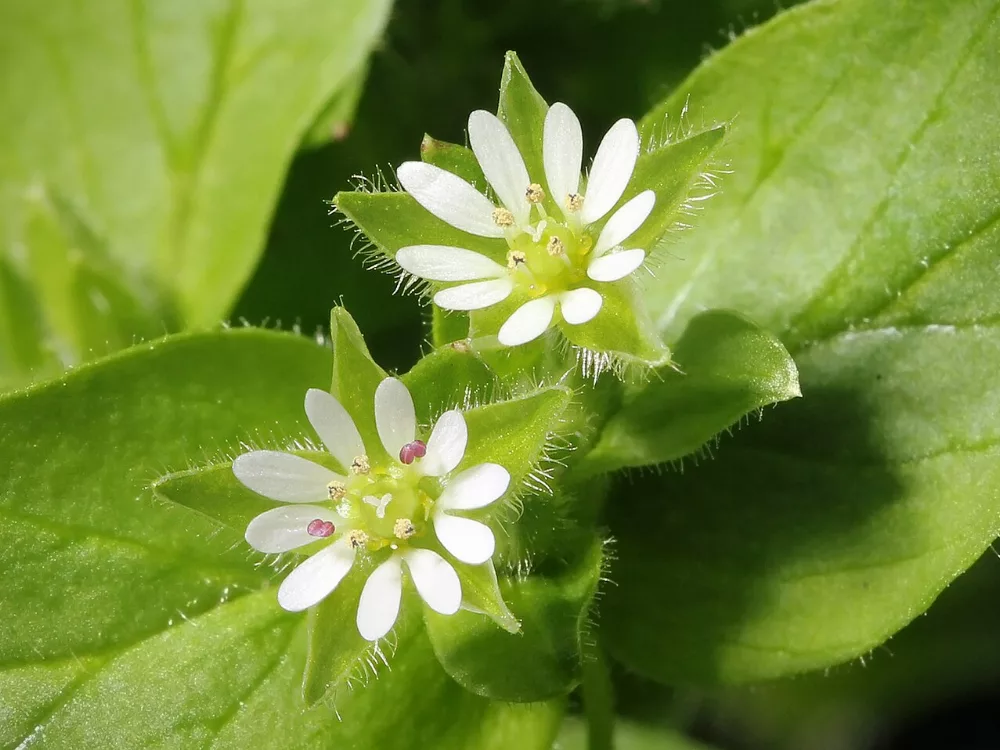
A rather good sign: living, friable soil with available nitrogen and biological activity. In excess it still points to fast mineralisation, better slowed with a cover crop.
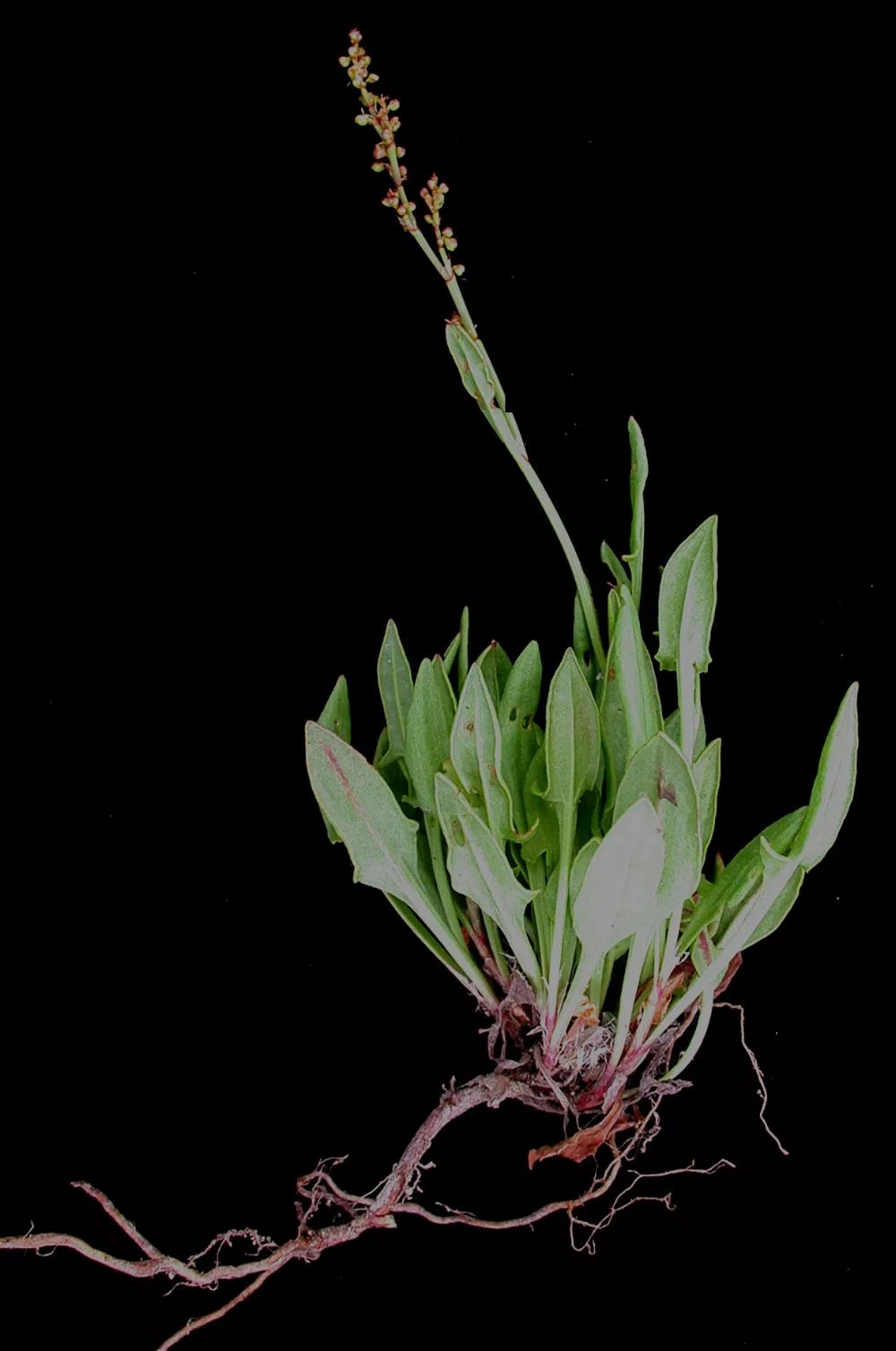
Acid, sandy, decalcified soils, poor in bases. Found in quantity, it calls for a baseline correction before any nitrogen is added.
The French botanist Gérard Ducerf gathered this knowledge in L'Encyclopédie des plantes bio-indicatrices, alimentaires et médicinales — Guide de diagnostic des sols (Éditions Promonature). It runs to three volumes, not two: volume 1 (2003, revised 2008), volume 2 (2008) and volume 3 (2013), several hundred species in all, each with its germination conditions, the soil state it reveals and its traditional food and medicinal uses. It is the practical reference in French, backed by courses and the publisher's site.
The same reasoning has existed in ecology since the 1970s with Heinz Ellenberg's indicator values: each European species is given scores for light, temperature, moisture, pH and nitrogen, and the community average estimates the conditions of the site. The method has been revised several times and updated for the whole of Europe (EIVE 1.0, 2023). It gives flora reading a measured basis, less detailed on soil than Ducerf but tested on thousands of surveys.
The plant-soil correspondences in the handbooks were established mainly in temperate climates: outside Europe, in the Andes or the tropics, the assemblage changes and the benchmarks have to be rebuilt locally, by watching what grows where the soil is known. A plant may also have arrived with seed, manure or machinery and say nothing about the place. And the diagnosis gives a state, not its cause: whether compaction comes from machinery, irrigation or trampling remains to be found out.
Sources : Éditions Promonature — G. Ducerf · Dengler et al., 2023, Journal of Vegetation Science — EIVE 1.0 · Tela Botanica