
Seaweeds in bio-preparations
Seaweeds have accompanied coastal farming for centuries: spread on the fields, mixed with manure or burned for their ash. Today they enter preparations as a particular kind of organic matter, rich in marine minerals and quick to break down. This page brings together the six most often encountered, their composition and the harvesting rules that go with them.
Documentary information, with no plant-protection claim and no dosage: every use follows the rule of the country where it is harvested and used.
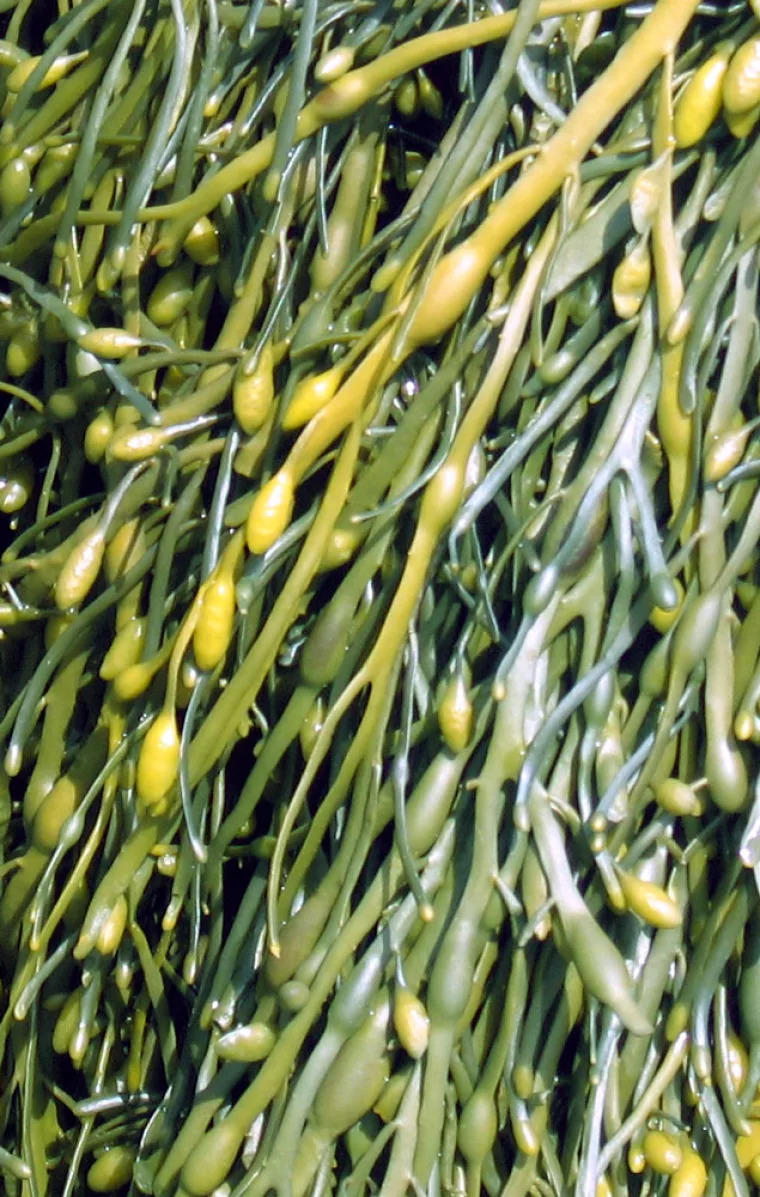
A brown alga of the cold North Atlantic shores, attached to rock in the intertidal zone. It is the most harvested for agricultural uses: it contains alginates, mannitol, betaines and trace elements. It is used fresh, dried or as a meal, and is the basis of the most common seaweed extracts.
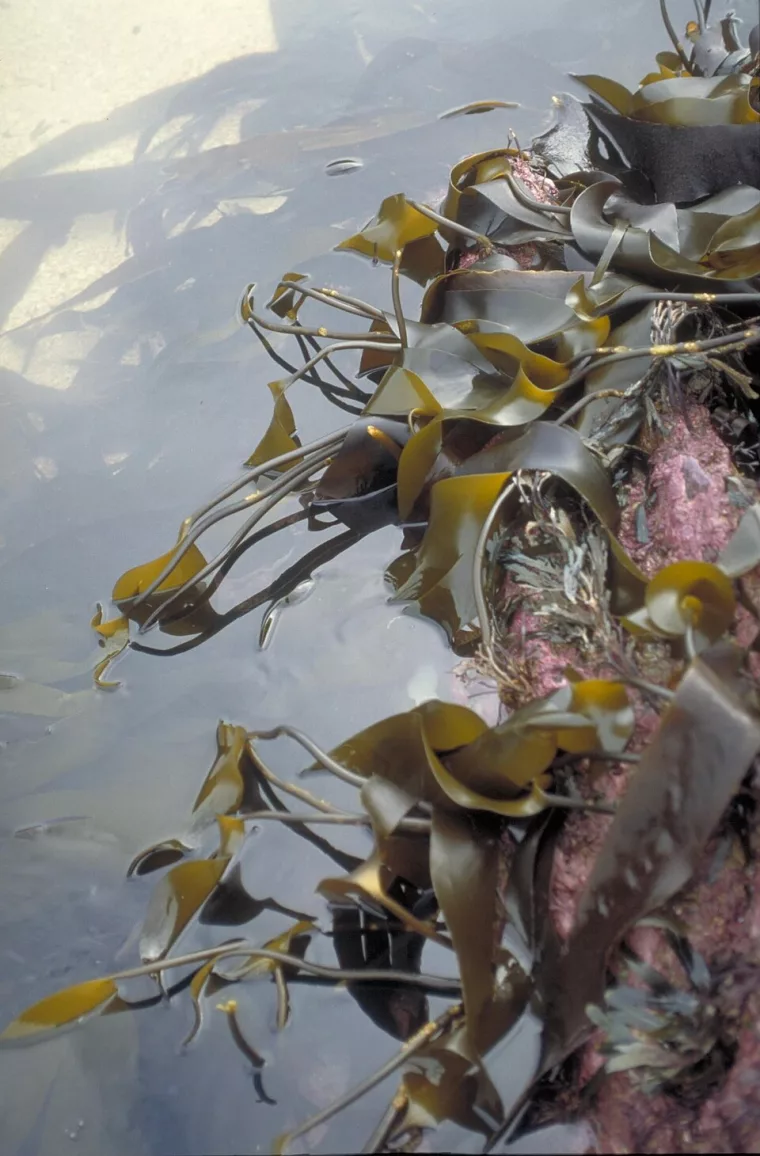
Large brown algae of cold waters, forming underwater forests below the low-tide line. They are rich in laminarin, alginates and potassium. Along the coast it is mainly the storm-cast fronds that are gathered, which avoids cutting living stands.
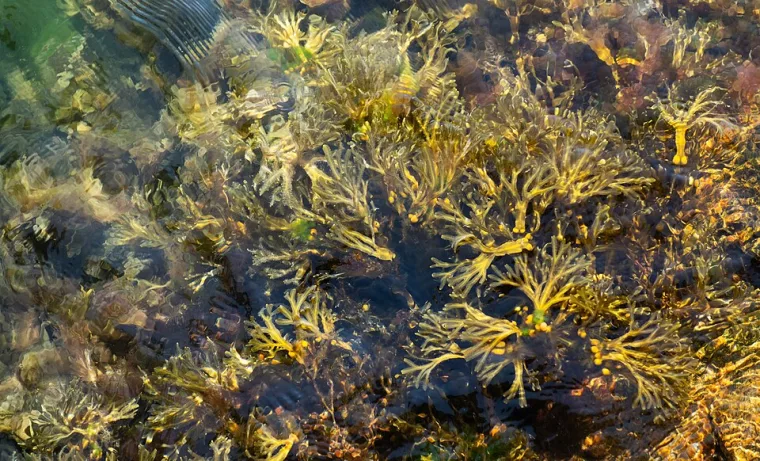
A brown alga very common on intertidal rocks, recognisable by its gas-filled bladders. Its composition is close to that of knotted wrack: alginates, mannitol, iodine and trace elements. It is hand-harvested, cut above the holdfast so that the plant regrows.
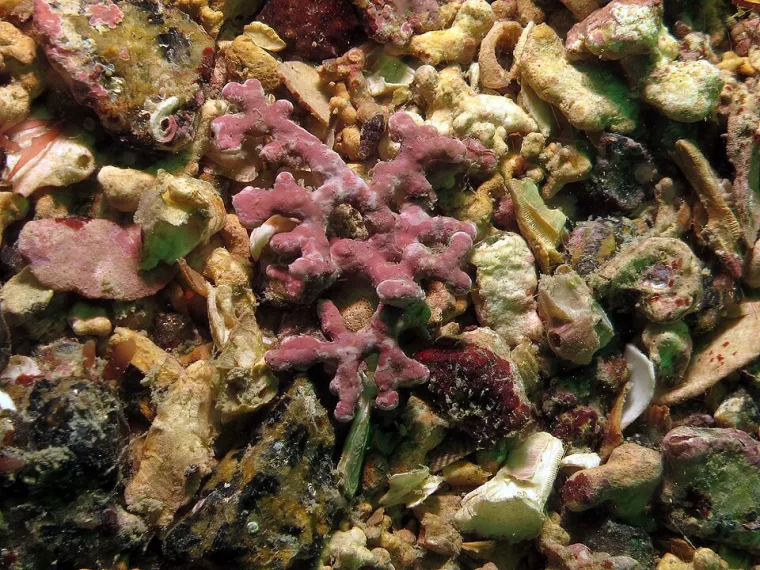
A very slow-growing calcareous red alga that forms beds of living gravel. Its skeleton is mainly calcium and magnesium carbonate, hence its historical use as a liming amendment. Maerl beds are protected habitats and their extraction is banned or strictly regulated in several countries: fossil deposits are mostly used today.
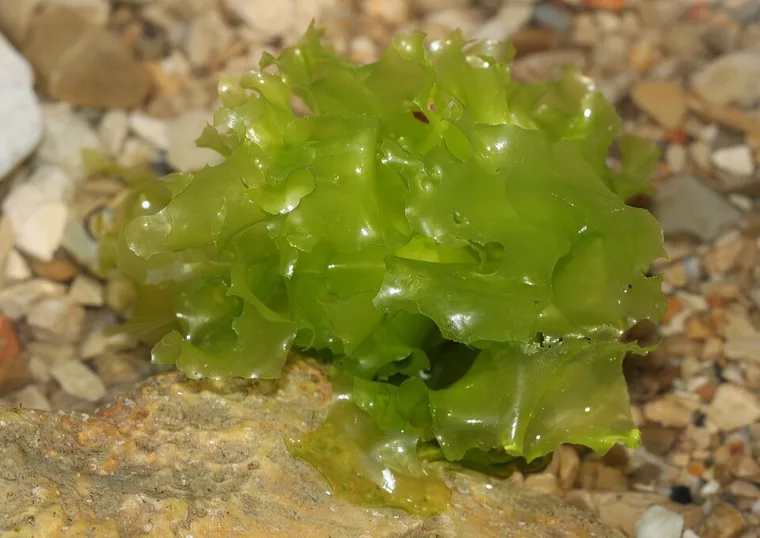
A green alga with thin blades, common in shallow nutrient-rich waters. It breaks down quickly and is richer in nitrogen than brown algae. Its green tides, linked to excess nitrates from land, are collected on some coasts; sandy or polluted material must not be used.
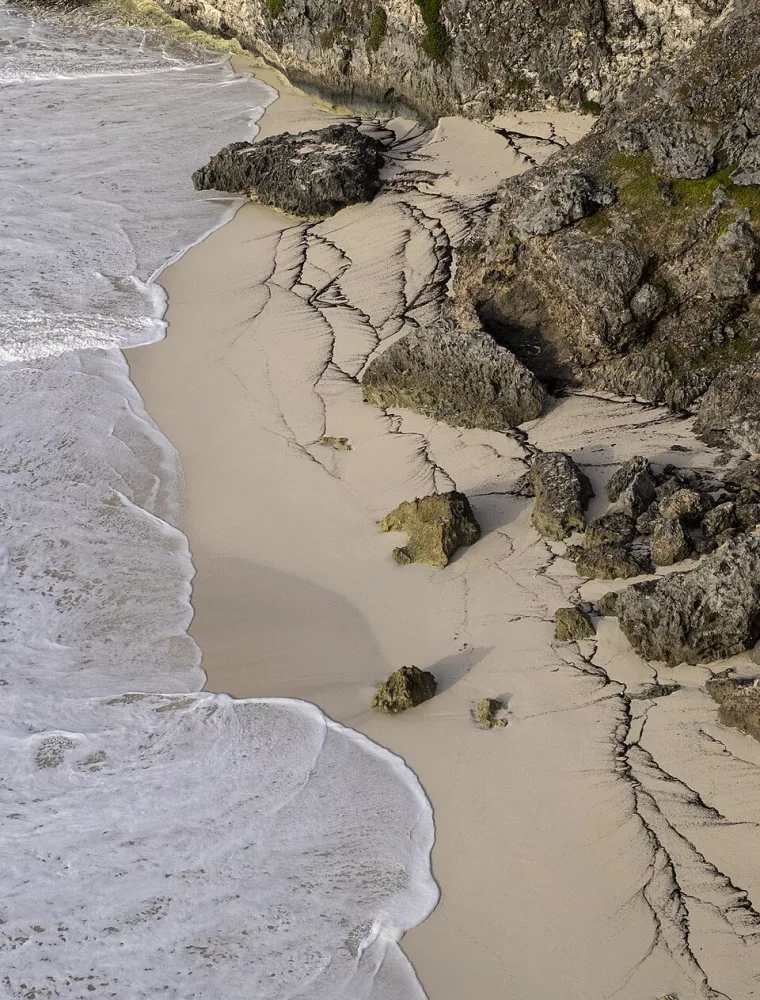
Floating brown algae that have been stranding in bulk on Caribbean and West African shores since 2011. Their mass arrival is an environmental problem, and their use on land is being studied in many countries. Two limits should be known: fresh sargassum can concentrate arsenic and metals depending on its origin, and decomposition in heaps releases hydrogen sulphide.
Seaweeds bring organic matter that breaks down quickly, potassium, calcium and magnesium depending on the species, and a wide range of marine trace elements. Brown algae also contain polysaccharides of their own (alginates, laminarin, fucoidans) and mannitol. What they do not bring, except the green ones, is nitrogen in quantity: they replace neither manure nor a legume.
Seaweed harvesting is regulated in most coastal countries: season, areas, quantities, sometimes a licence. Storm-cast material is generally less restricted than seaweed cut alive. As for salt, a rinse with rainwater, or simply a few days of material left outside, reduces sodium chloride before incorporation.
Sources : Règlement (UE) 2021/1165, annexe II · Codex Alimentarius CAC/GL 32-1999 · FAO — Seaweed resources
Harvesting seaweed on the shore or at sea comes under each country's rules and often requires a harvesting authorisation; in a protected area it may be forbidden. Processing it for one's own farm enters no register. A seaweed-based product placed on the market as a fertiliser or biostimulant, however, falls under Regulation (EU) 2019/1009, which sets the component material categories and the product functions.
Règlement (UE) 2019/1009 — matières fertilisantes (texte consolidé)
This summary is not legal advice: before harvesting in a protected area or selling a product, contact the competent authority in your country.