biopreparados.es provides information about bio-preparations for purely informational purposes. Preparing or using these products may be subject to specific legislation depending on your country. It is your responsibility to check this before continuing.
Harmful organisms of crops (pests, fungi, bacteria, viruses): descriptive sheets with drawing, scientific name, crops affected and associated bio-preparations. Information provided for guidance only: errors may appear.
The 3Ms: micro-organisms, organic matter and minerals
Across South America this practice is recurrent. The point is to drive the generation of a rich, biologically active amendment. The three elements must be present and interact to carry a well-run solid preparation.
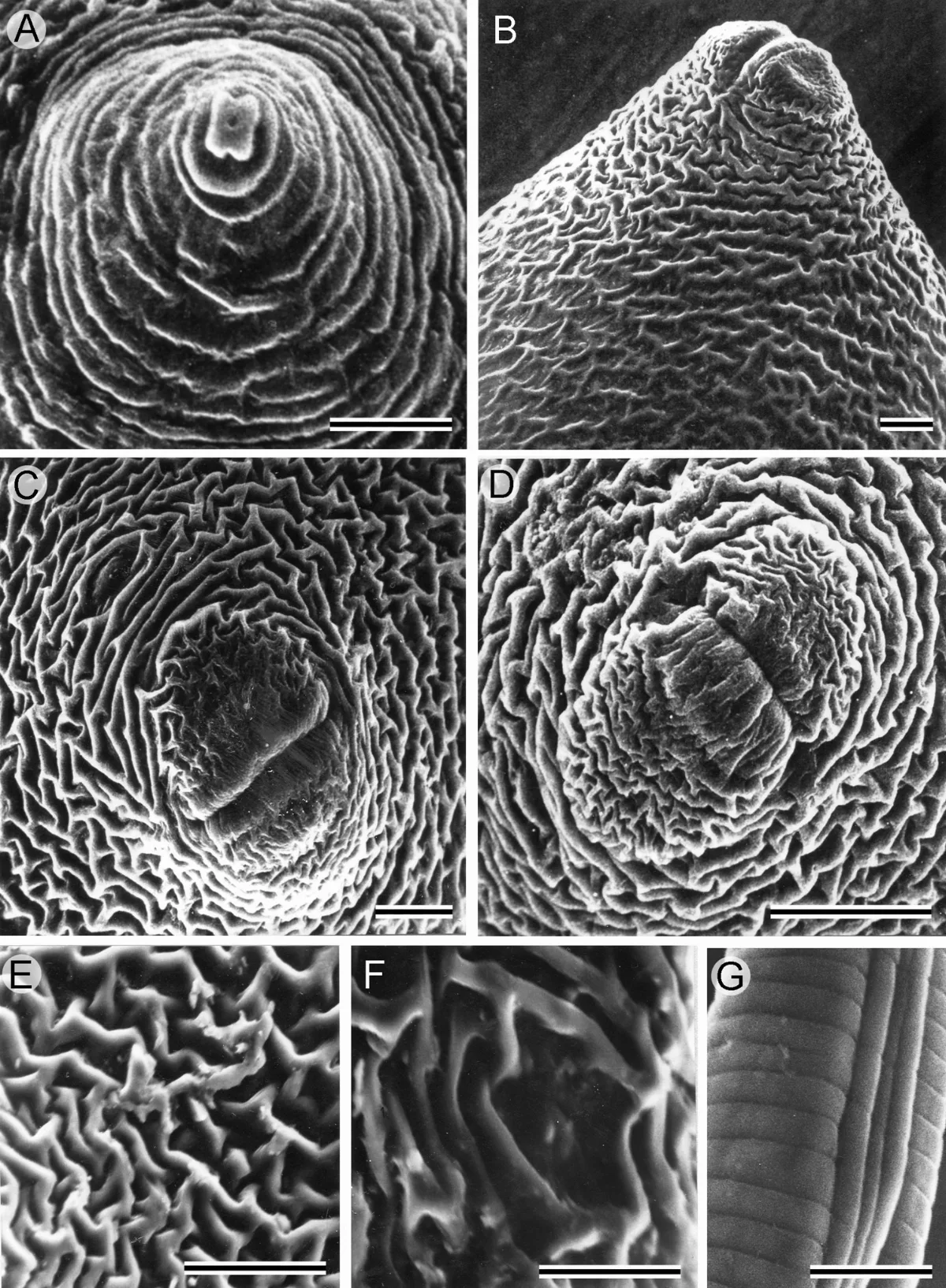
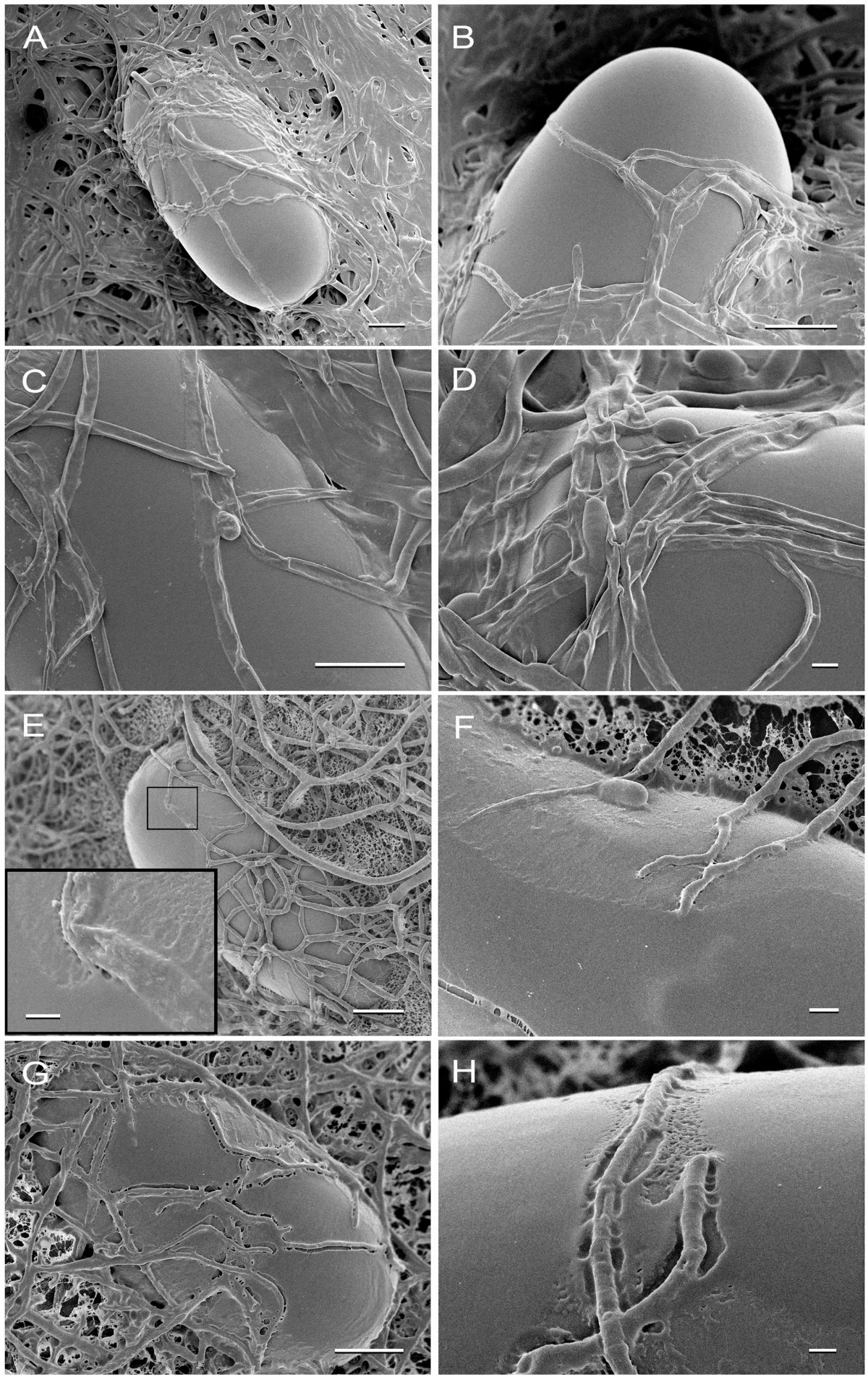
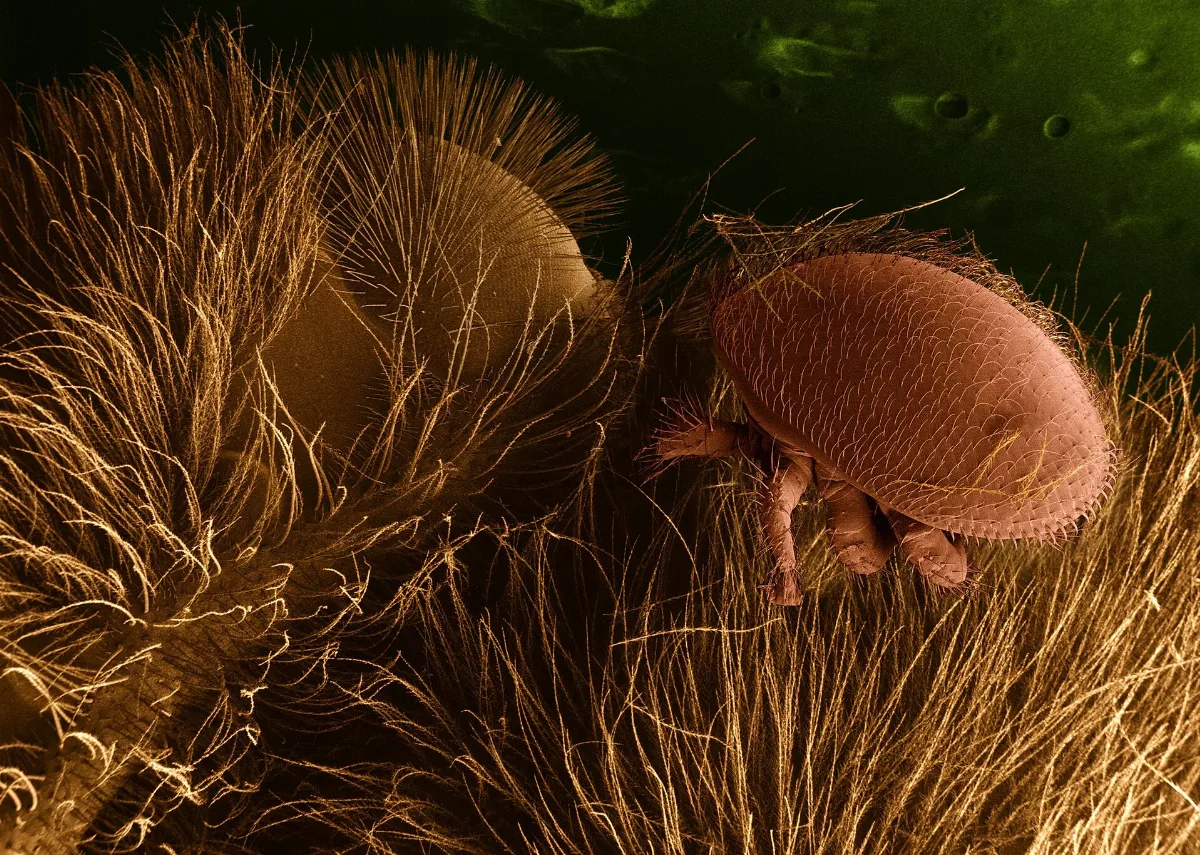
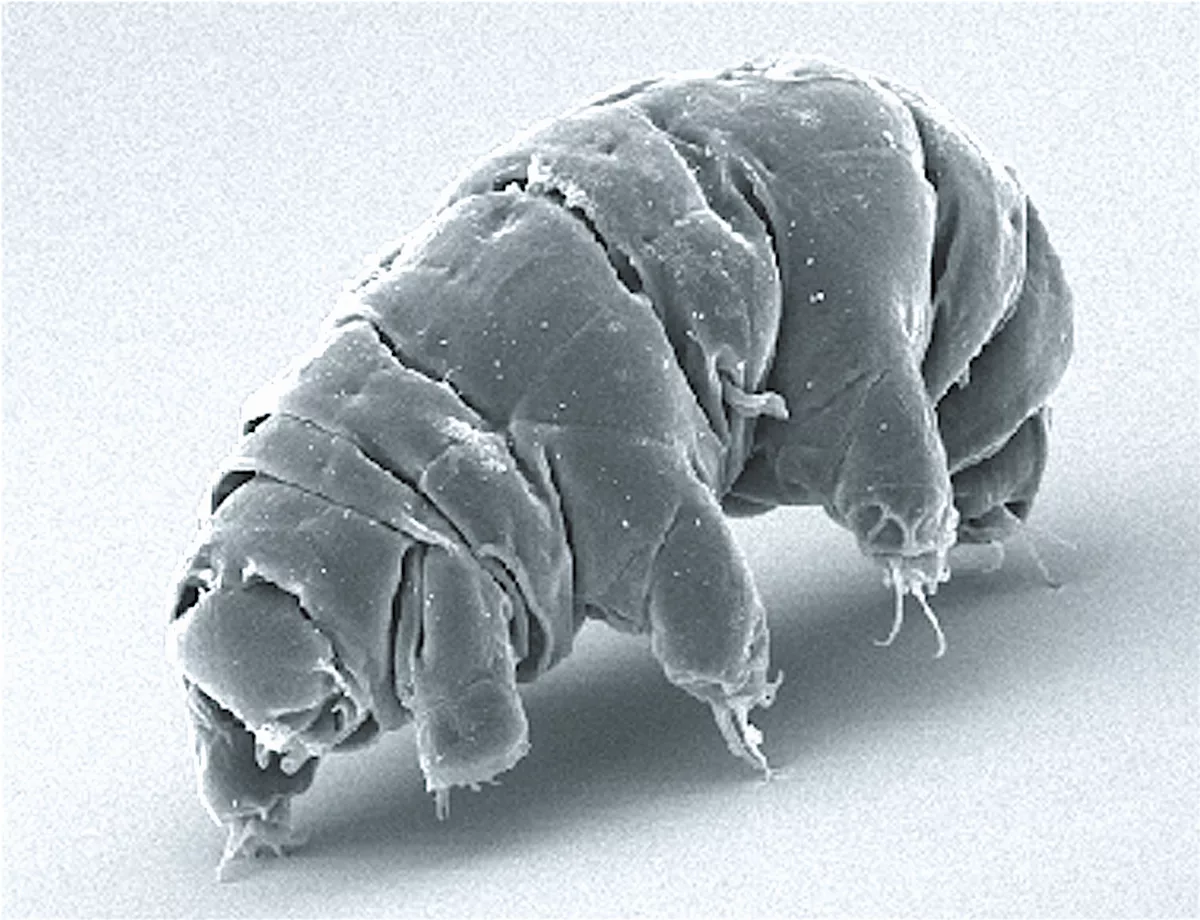
Past a hundred times magnification, soil stops looking like what we thought. Mouths, claws, bristles, spores in chains: the organisms working under our feet have organs, and seeing them changes how you think about them. Every image comes from public laboratories and open-access journals, with its author and licence.
The organic matter of compost and bocashi is read with a single key: the ratio between carbon and nitrogen. On one side the brown, dry materials, bringing carbon and structure; on the other the green, wet ones, bringing nitrogen and the start. Everything else — air, water, time — comes after.
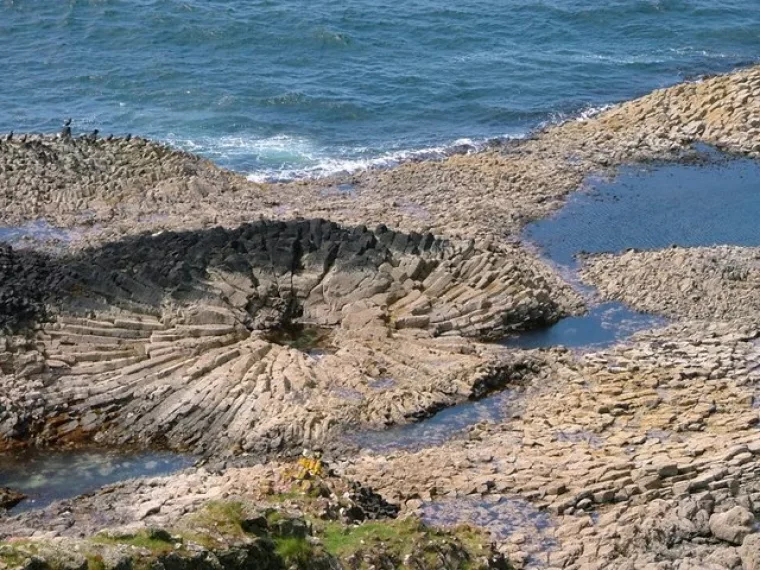
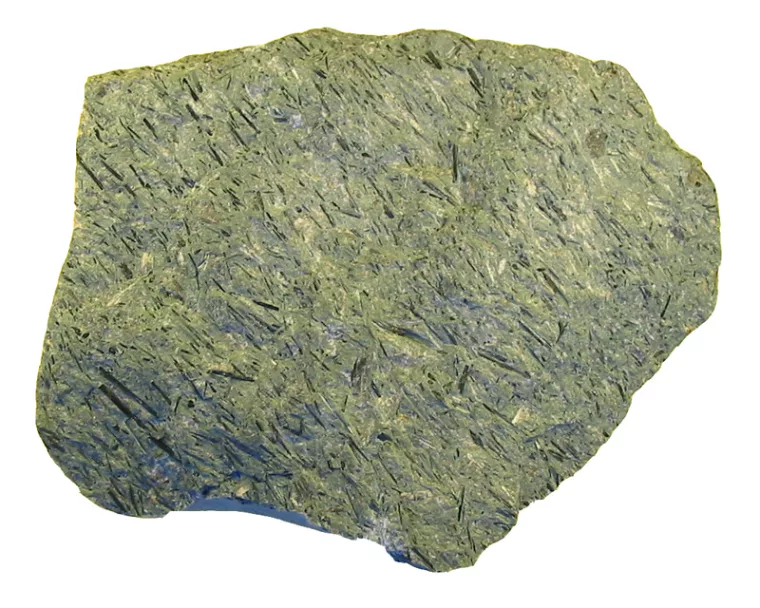
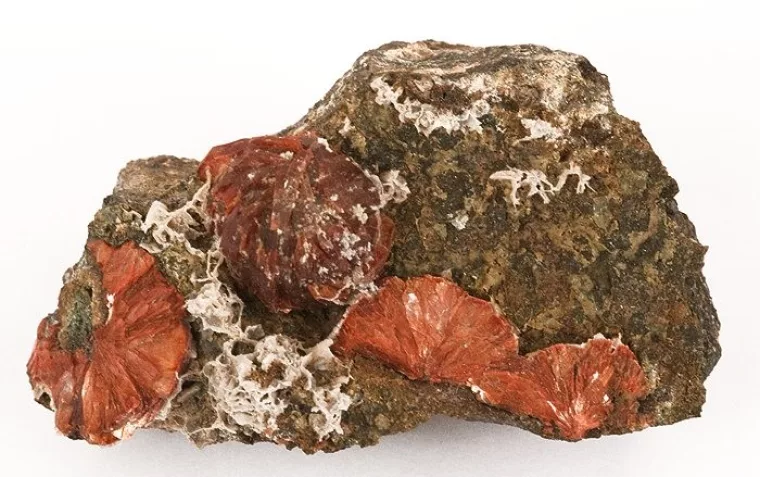
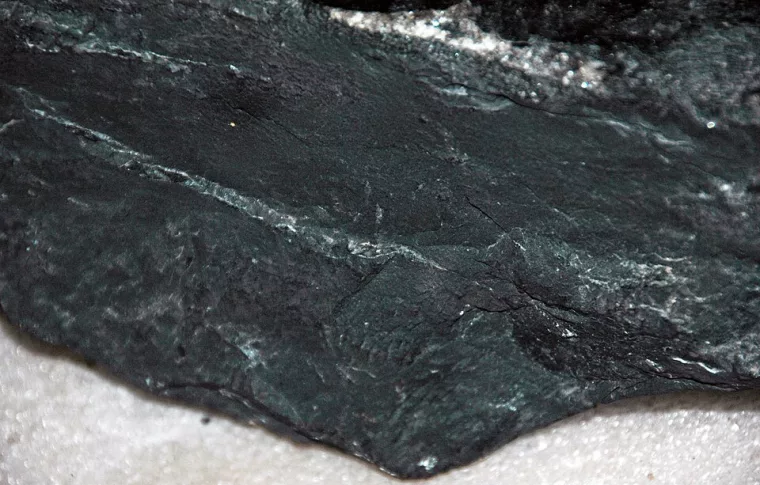
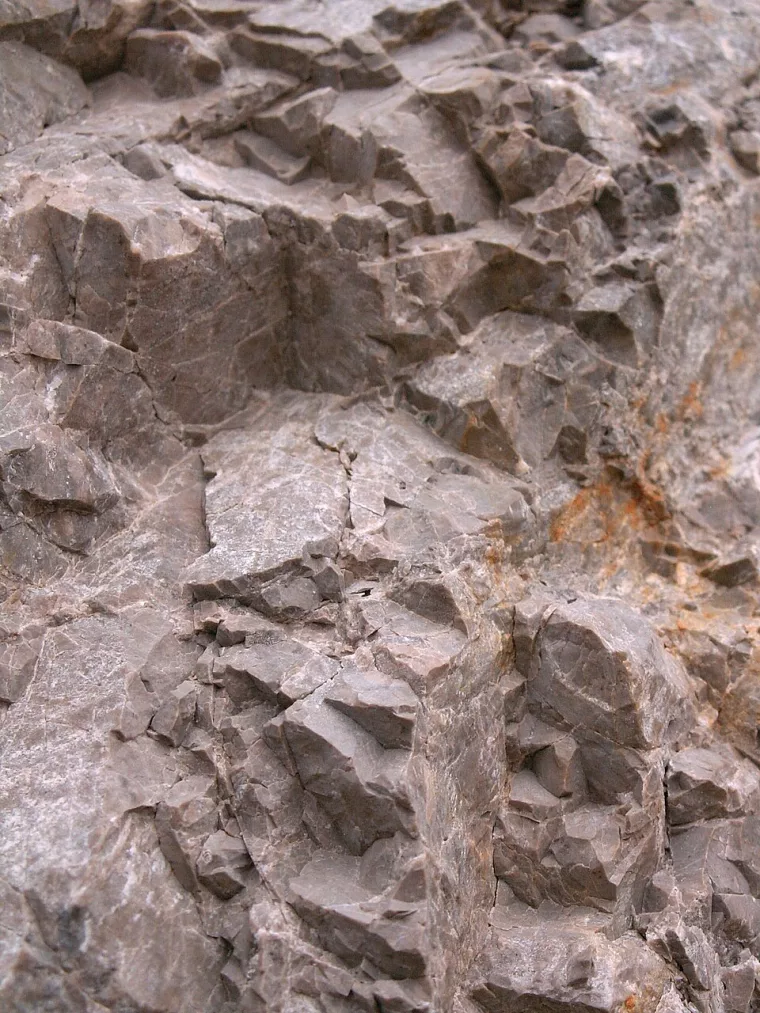
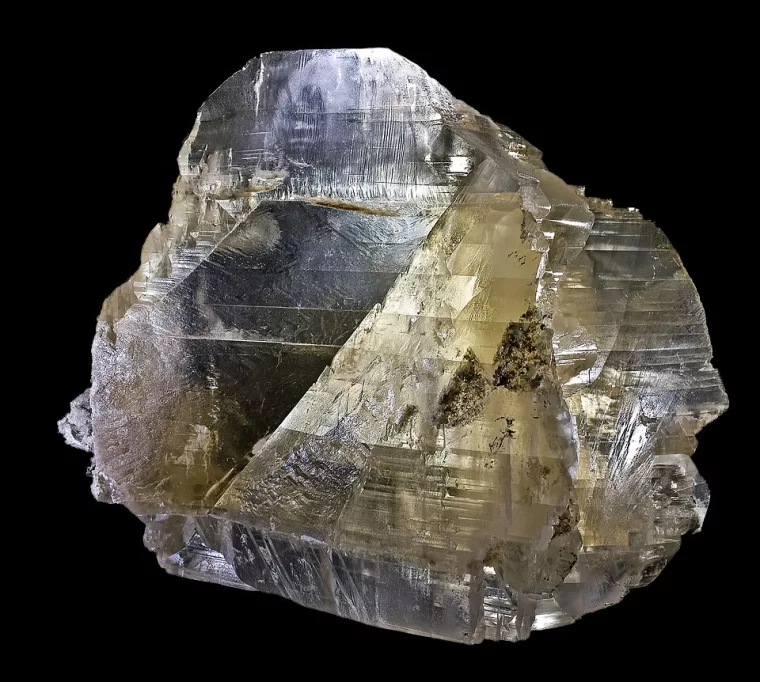
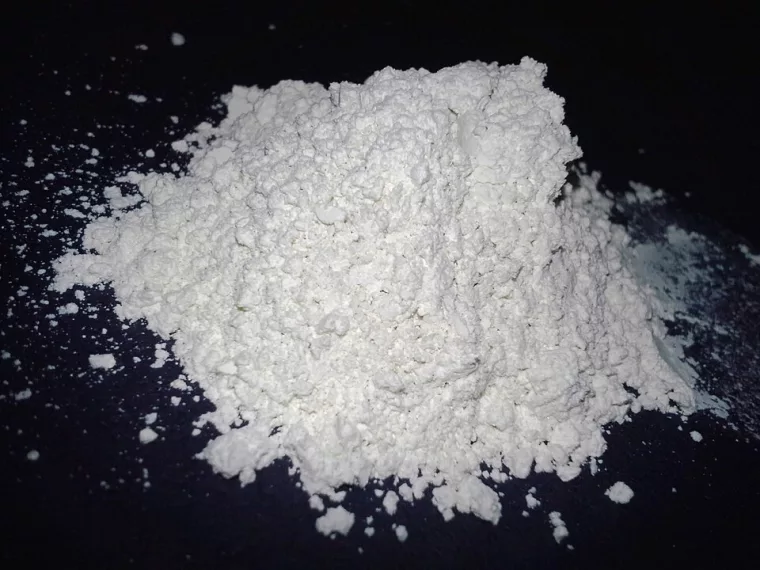
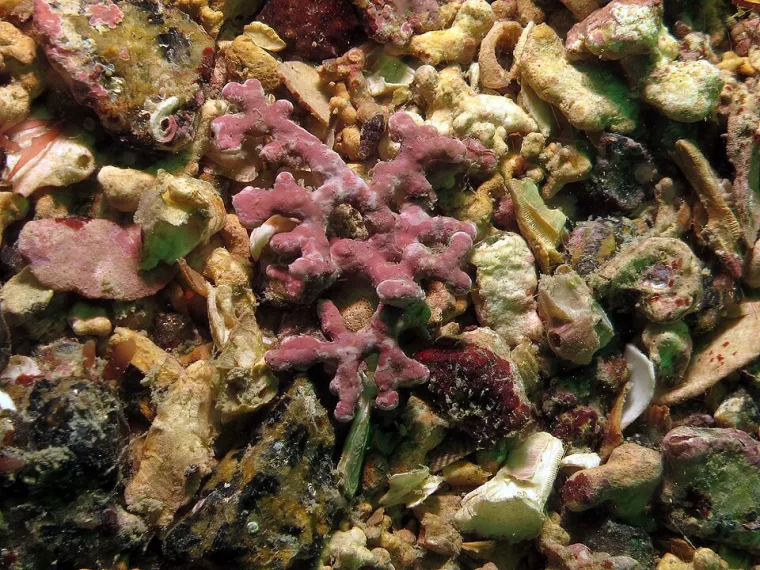
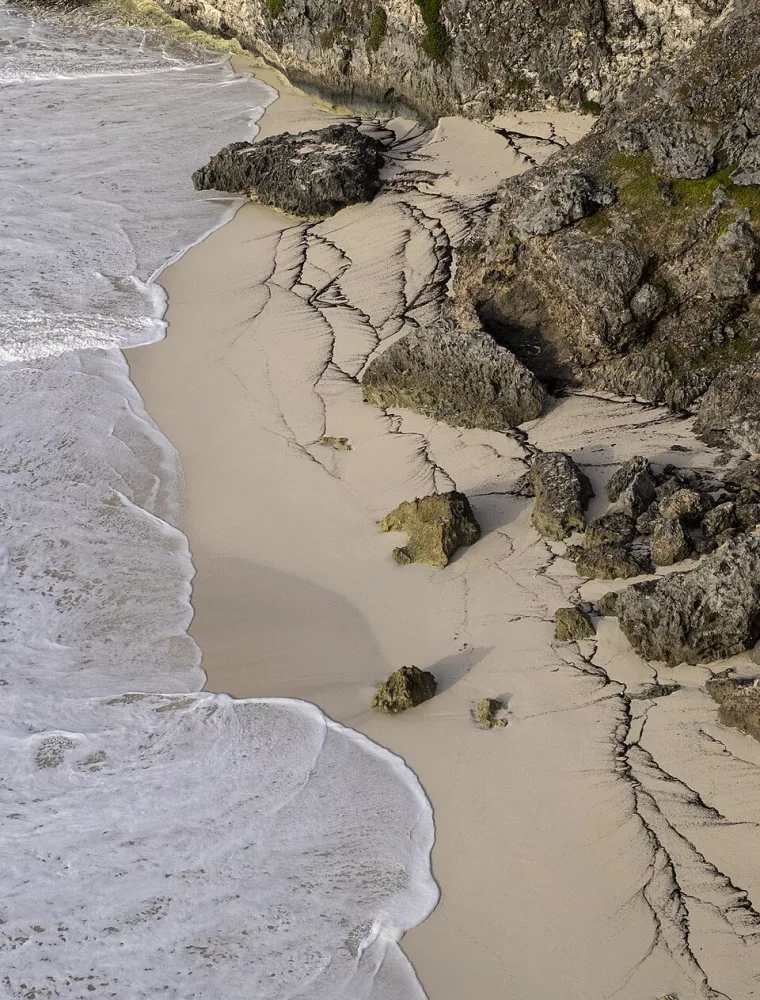
The mineral part of a preparation does not dissolve like a fertiliser: it weathers. A ground rock releases its elements at the pace of weathering and soil life, over years. This page brings together eight rocks and minerals in common use, what sets them apart and what they actually bring.
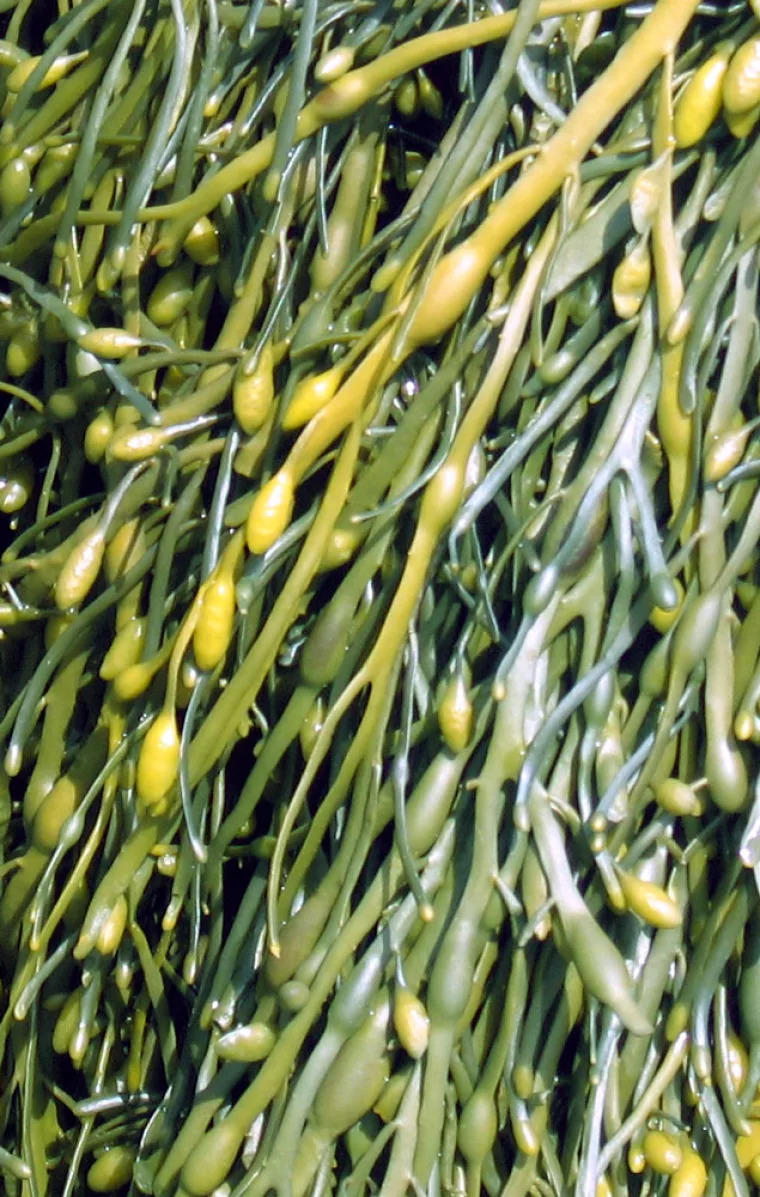
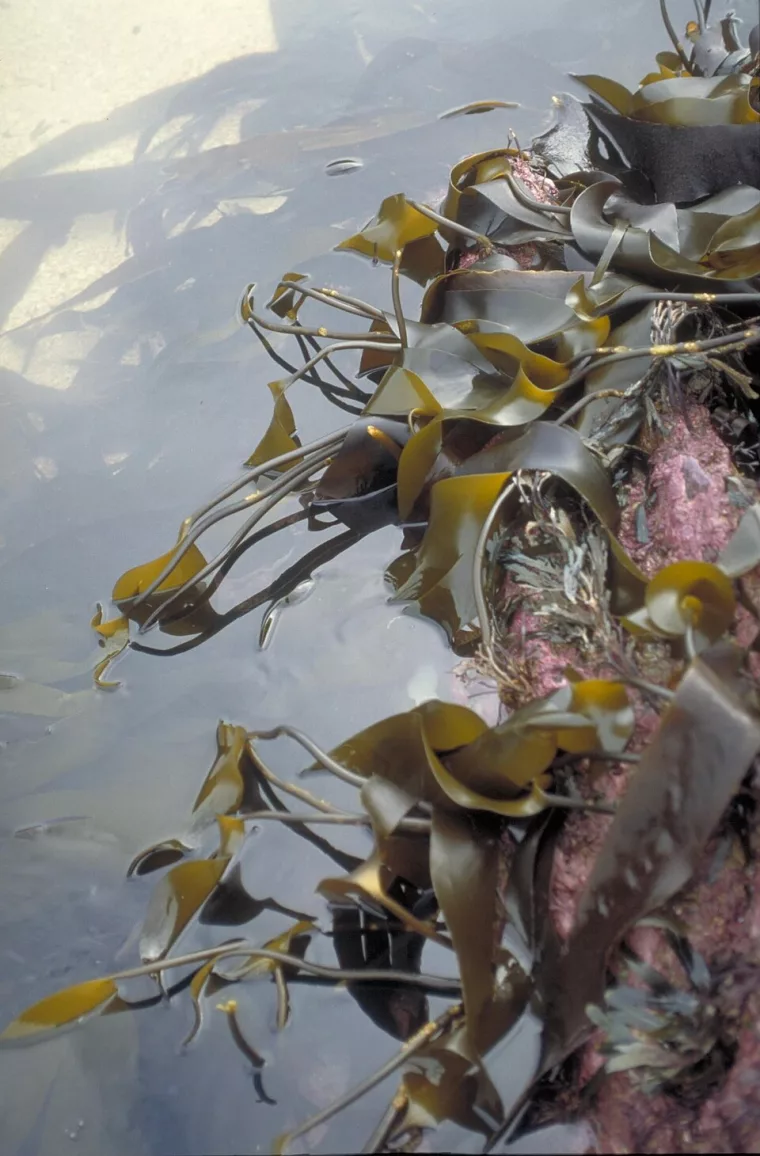
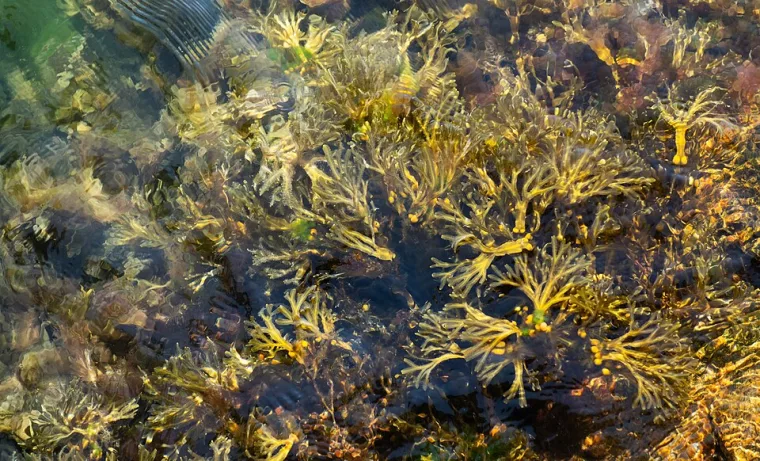
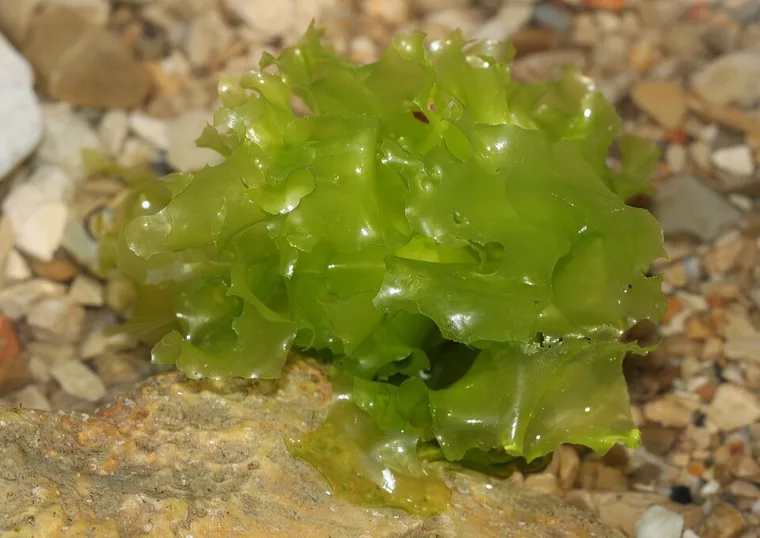
Seaweeds have accompanied coastal farming for centuries: spread on the fields, mixed with manure or burned for their ash. Today they enter preparations as a particular kind of organic matter, rich in marine minerals and quick to break down. This page brings together the six most often encountered, their composition and the harvesting rules that go with them.
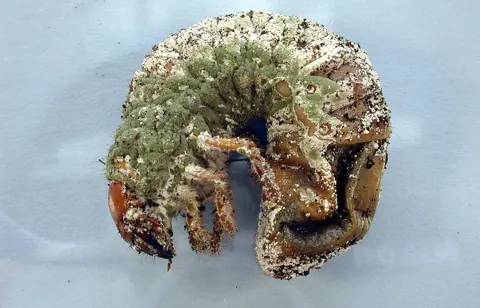
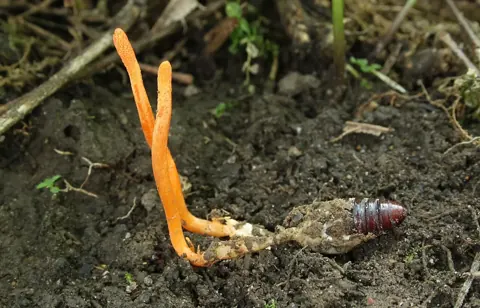
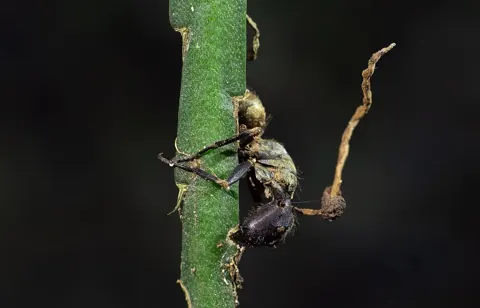
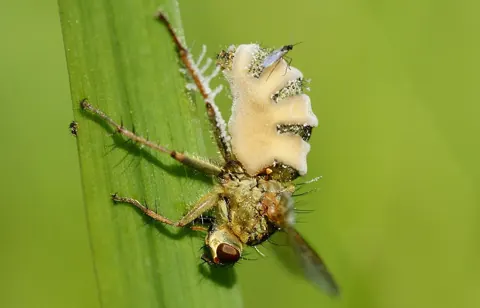
Cadavers covered with white mycelium or green spores, orange clubs, hanging caterpillars: fungi, bacteria and viruses kill the insect and use it as a substrate to grow. How to recognise them in the field, and what the law says in each country.
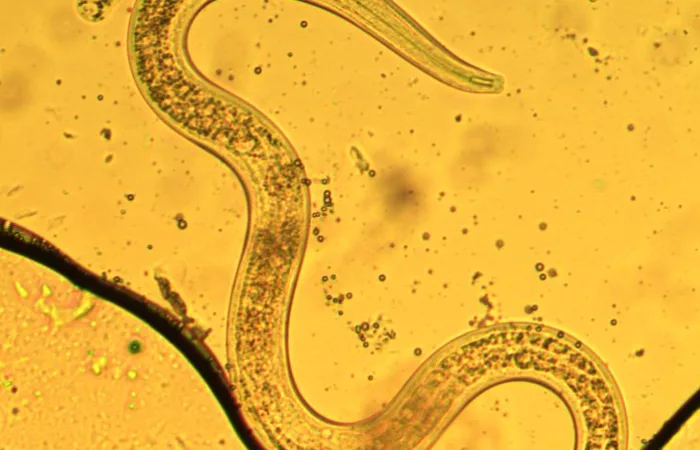
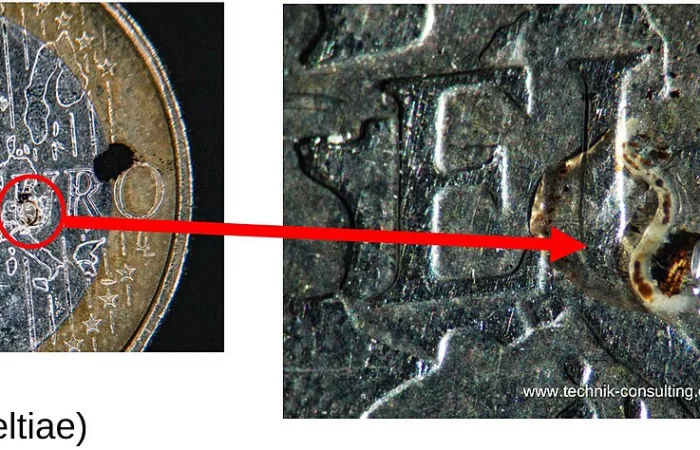
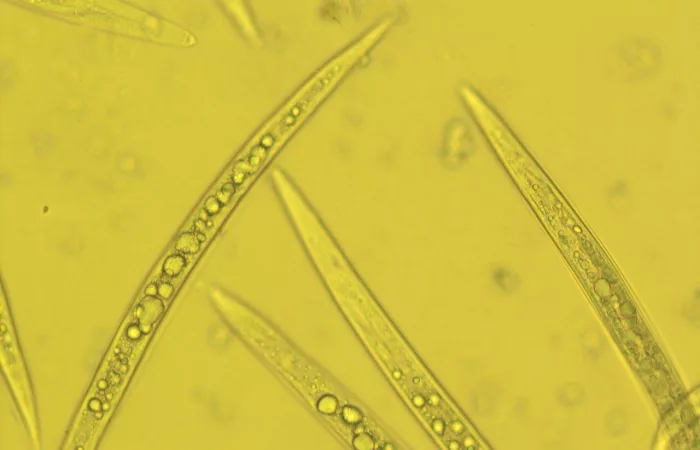
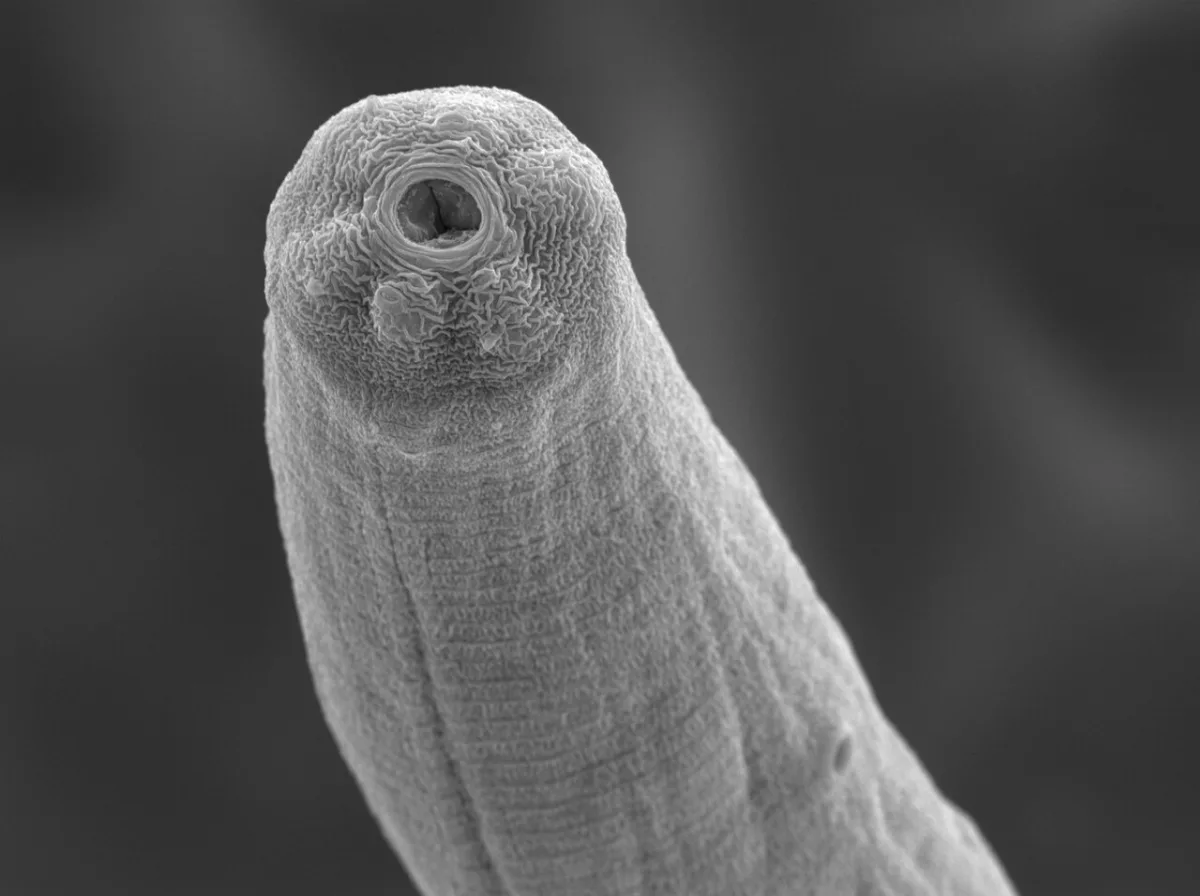
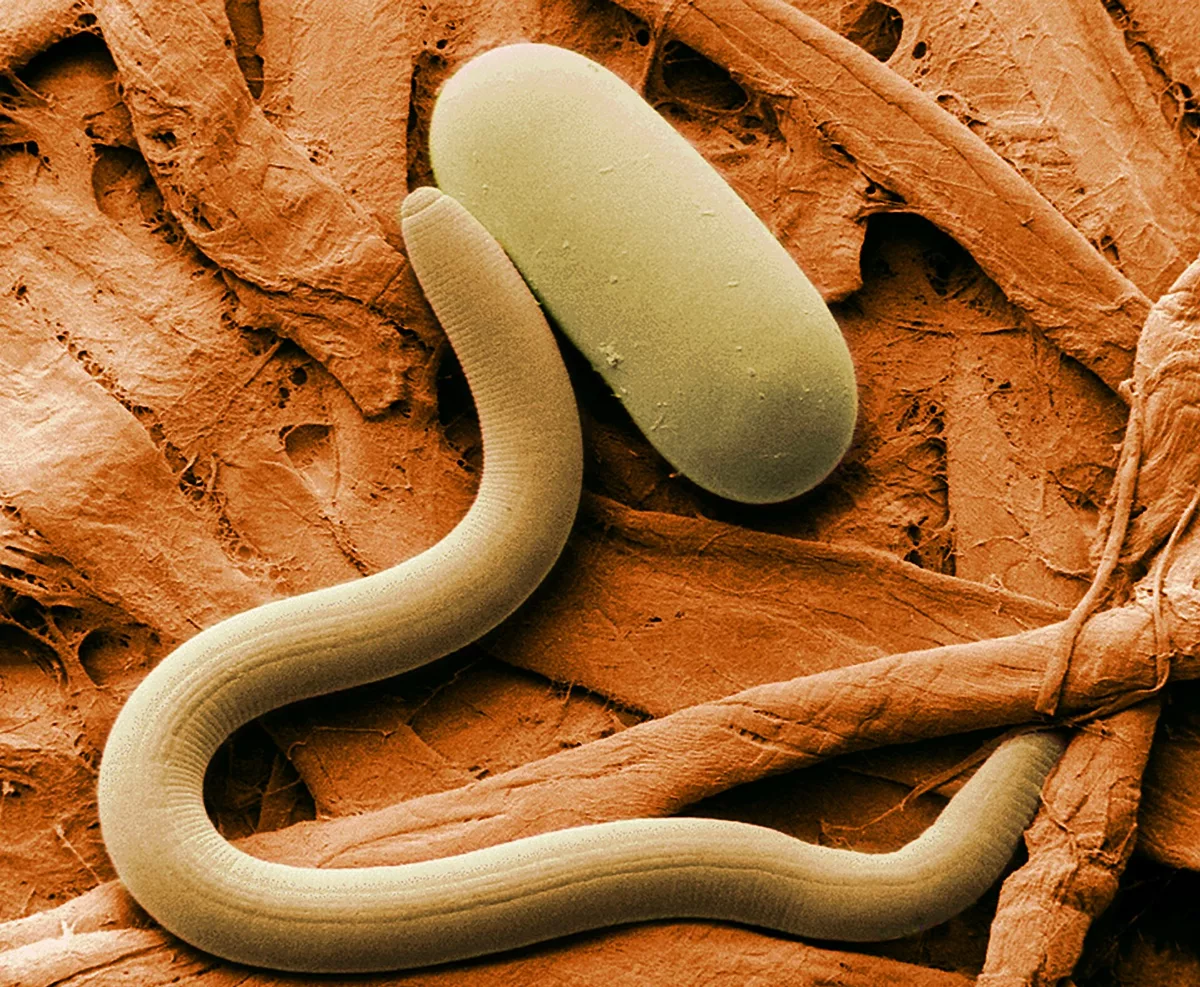
Microscopic soil worms that enter an insect, release their associated bacterium and multiply inside it. They are not pests: they belong to the normal fauna of a living soil. Here is what they are, what can be seen with the naked eye and what tells them apart.
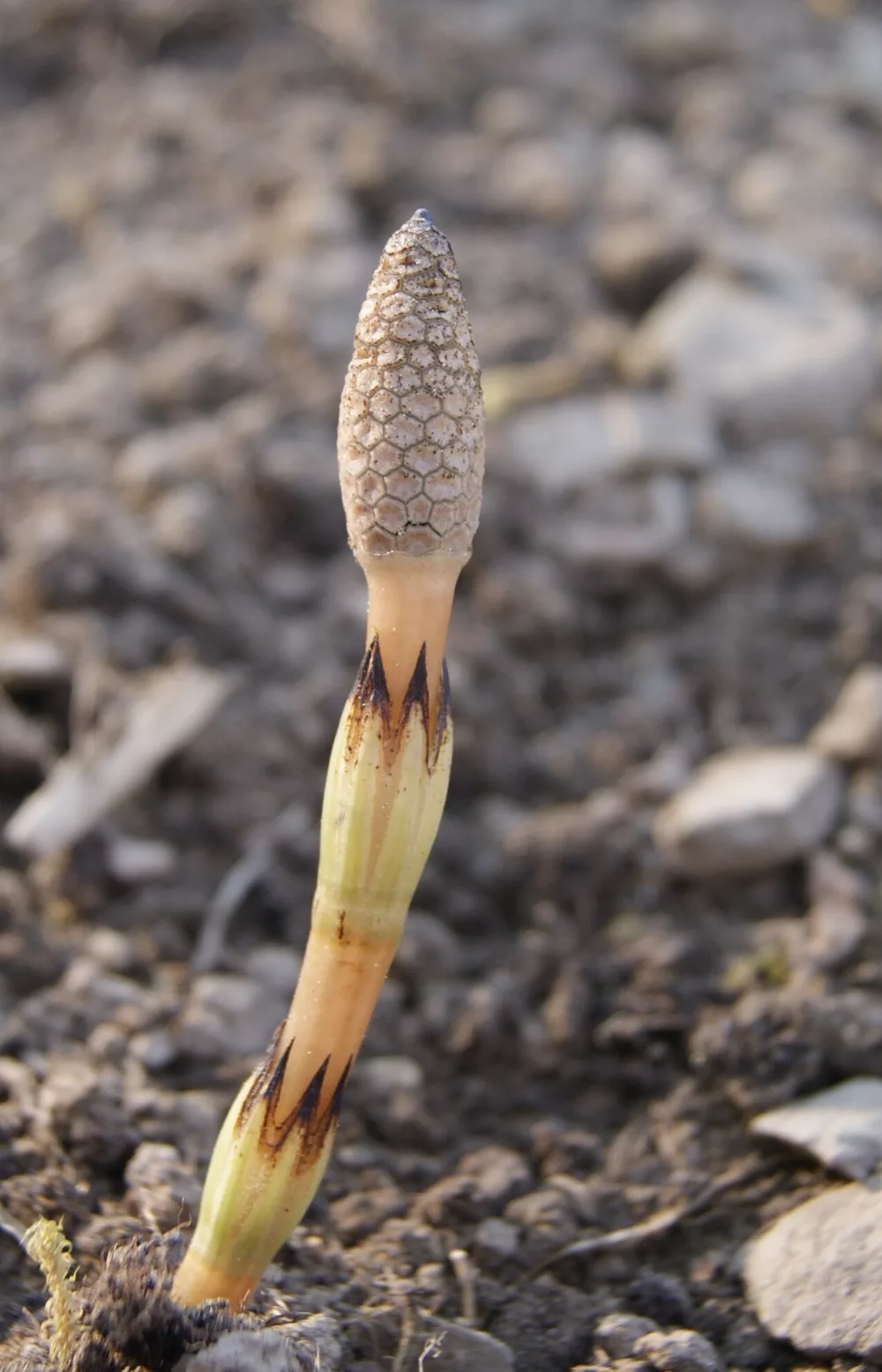
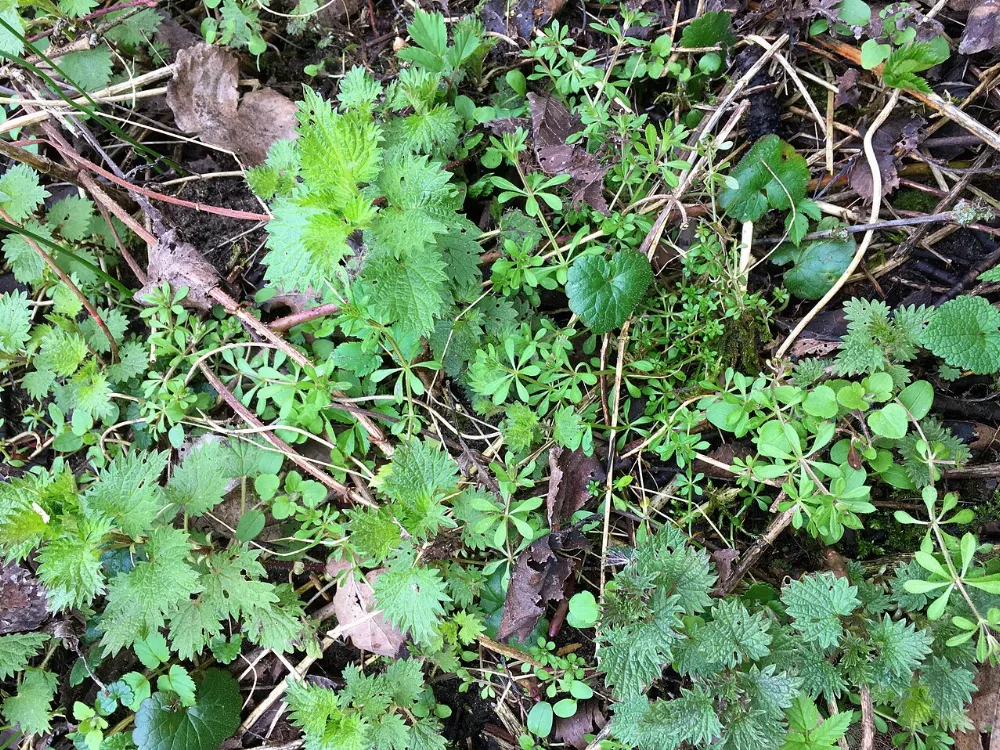
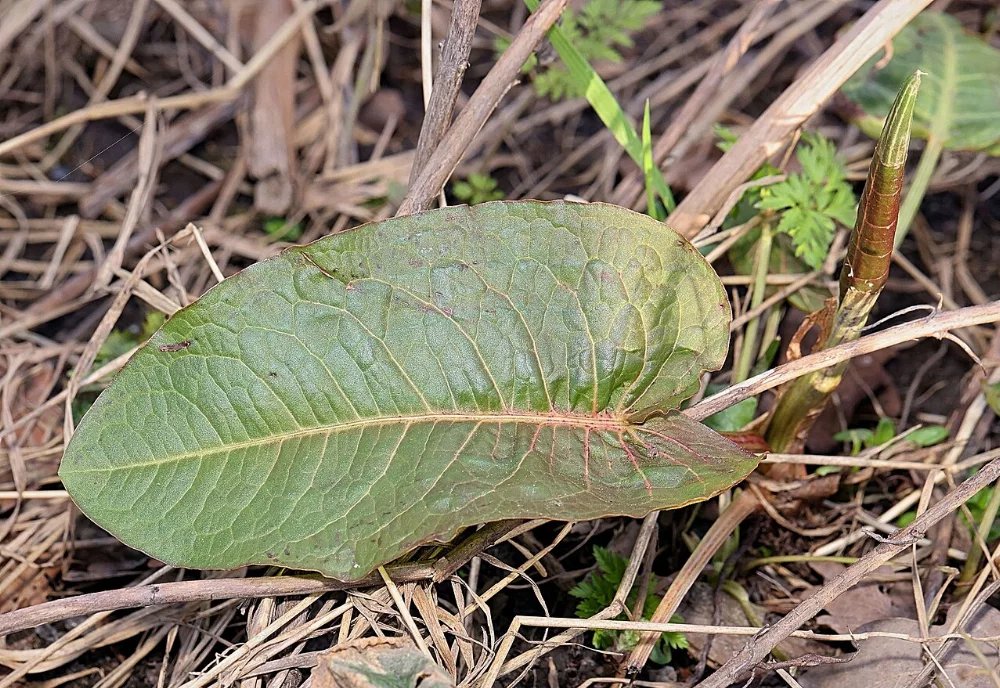
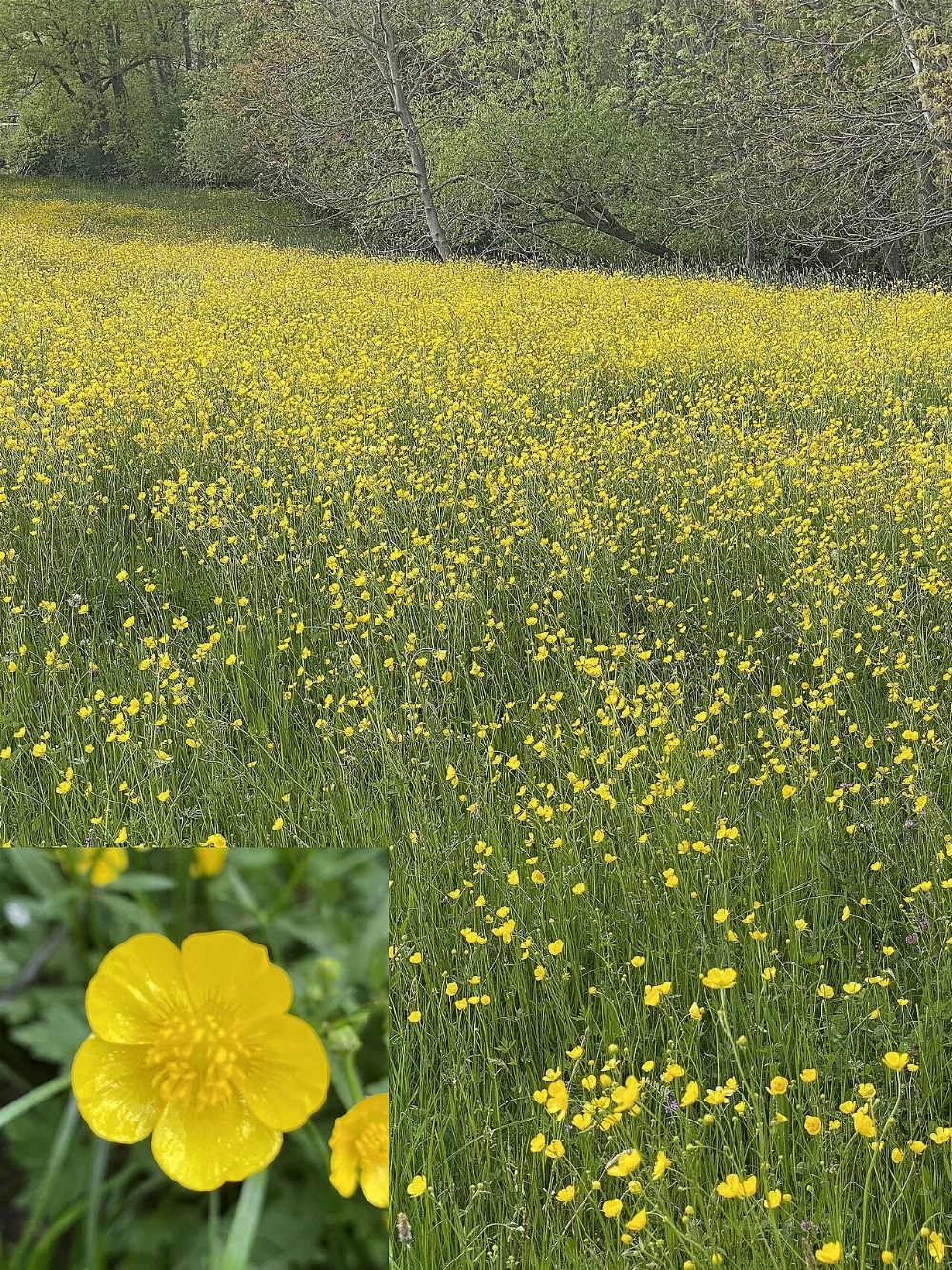
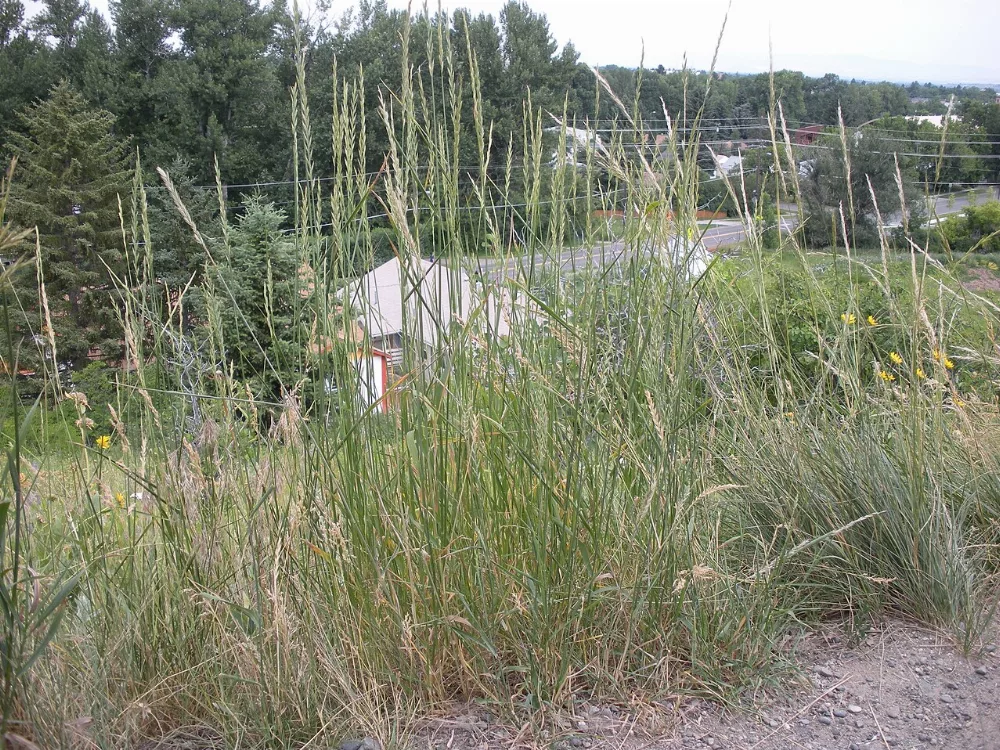
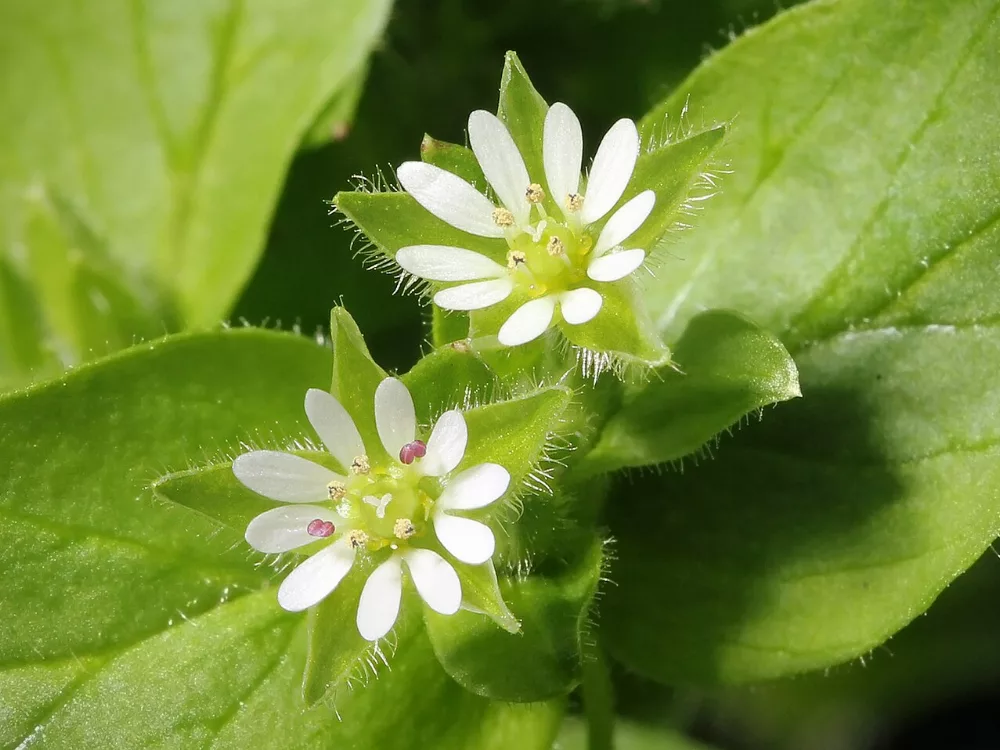
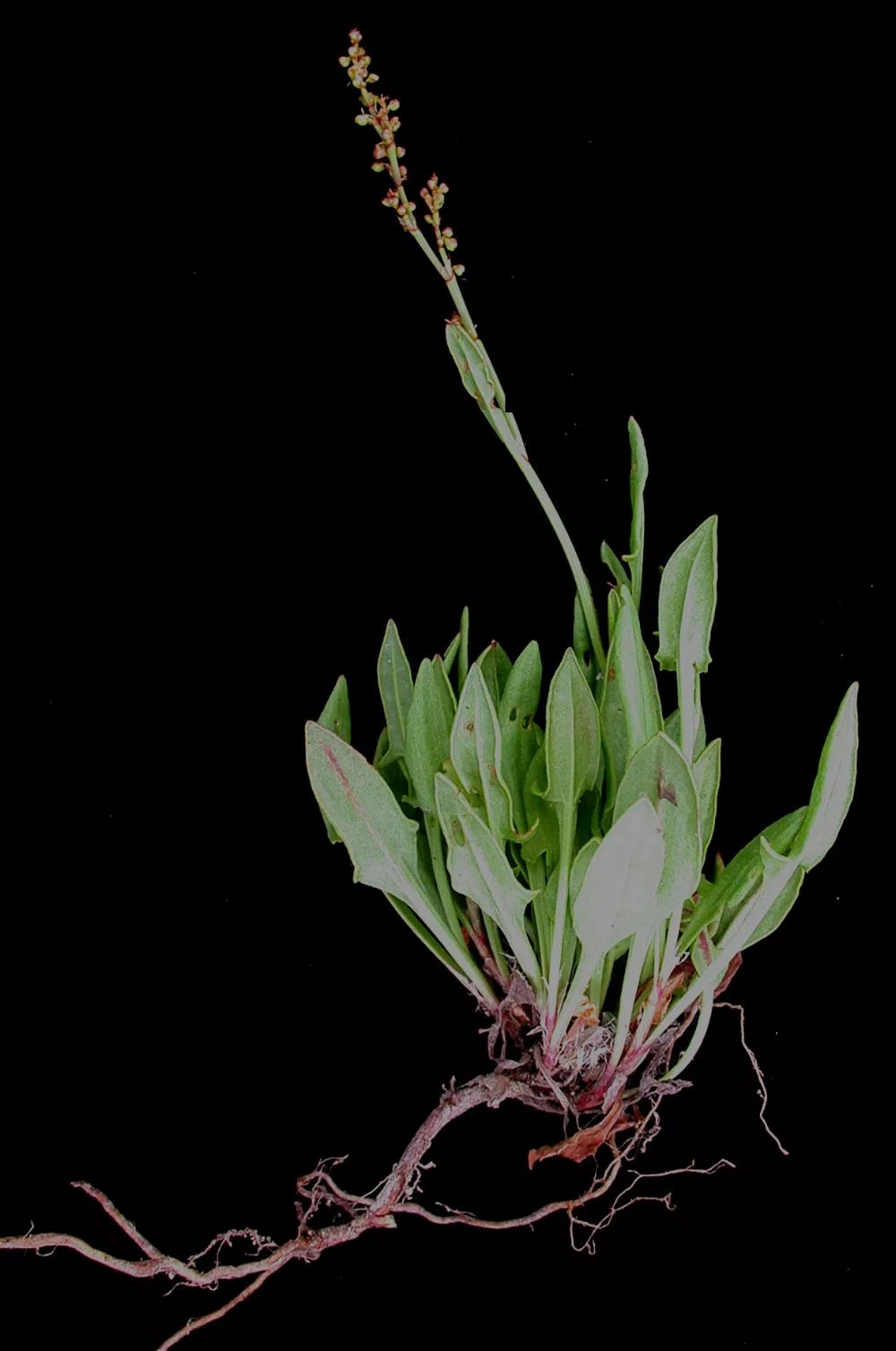
Spontaneous flora does not arrive by chance: each species germinates when the soil offers the conditions it needs. Reading it tells you, without an analysis and before any input, whether air is lacking, organic matter is in excess, water is standing or calcium and magnesium have been washed out, leaving an acid soil. It is a free diagnosis, available all year, which does not replace an analysis but says where to look.
An agricultural biopreparation is a product designed to support crops or livestock without resorting to synthetic products. Made from plants, minerals, microorganisms, animal by-products or other natural elements. Each recipe in this recipe collection details its ingredients, preparation method and application, so you can produce it yourself, self-sufficiently.
A liquid preparation obtained by cooking or boiling one or more ingredients (plant, mineral or organic matter) in water. The resulting liquid is used as is or diluted…
Extraction by prolonged boiling, used for hard plant parts (roots, bark, woody stems, seeds) whose active compounds need more time and heat to release than a simple…
Highly concentrated extraction of the plant material in a solvent (water, alcohol or oil), using a much higher plant-to-solvent ratio than a simple maceration, and often…
Biological transformation of the plant material by microorganisms (yeasts, bacteria) in total or partial absence of oxygen, releasing and transforming active compounds…
Cold or just-off-the-boil water is poured over the plant material and left to steep without boiling. Ideal for delicate plant parts (leaves, flowers) whose active…
Cold extraction by prolonged soaking of the plant material in a liquid (water, oil or alcohol depending on use), without heat. The longer contact time than an infusion…
Behind every recipe, a few transformations keep coming back. Knowing which one is at work explains why a preparation smells as it does, why it takes that long and why it is not used at any moment. Here are the eleven most common processes and, to close, oxidation–reduction, which is not a process but a principle running through them all.
An idea that has circulated for sixty years in organic and biodynamic farming: living beings would turn one chemical element into another, with no reactor and no high energy. Physics does not accept it, and we do not take it as given. We set it out because it keeps turning up in the preparation literature, and because it is worth knowing what it actually claims, where it comes from and what is left of it.
muy buena su página compañero, lo felicito, le acabo de hechar un ojo y está bien completa, buen trabajo 👍🏽. — Agrosonik ( Mexico)
TE sugiero que en el fermento le coloquen suero de leche, para la elaboración y con eso le ayuda mucho mejor al producto, el suero contiene bacterias (lactobacillus), que aportan muchos beneficios y ayuda a la estimulación de la planta. — Cristian ( Mexico) · about Fish amino acids (FAA)
Me gusta el formato. Está simple y la receta cabe en una captura de pantalla. Lo que ayuda para compartirlas. — Pedro ( Mexico)


 Lautaro Preisegger, Daysi Espín Sánchez, Carla Huarte-Bonnet, CC BY-SA 4.0












 Certifiers


 Recipes whose origin or status is not yet determined (13)
 Authorised
 Tolerated
 Not prohibited
 Not authorised EU
 Apple tree
 Grapevine


 The 3Ms: micro-organisms, organic matter and minerals
 Macro gallery
 Organic matter
 Rocks in

 Seaweeds in

 What the law says by country
 Reports: entomopathogens and entomophages on video
 Bio-indicator plants
 Chemical and biological processes
 Low-energy transmutation (Kervran)